
There is a lot of pressure on women, post-delivery, to just “snap back”. There is also a lot of conflicting info out there on how to go about healing and strengthening after having a baby. . Getting a postpartum musculoskeletal assessment is a crucial step in helping to identify weaknesses, dysfunctions, and help with yourContinue reading “Post-Birth Plan?”
Author Archives: Dr. Cora T Huitt
You really want to join in but … leakage.

➡️”Mom, come jump with me on the trampoline!”⬅️strikes fear in your heart😱, you may benefit from a little pelvic floor TLC! . . If this is you, you’re not alone …. bladder leakage is common but NOT normal! There are many other options available, that do not require surgery, medication or wearing pads everyday.Continue reading “You really want to join in but … leakage.”
Ensuring Support for Breastfeeding Families
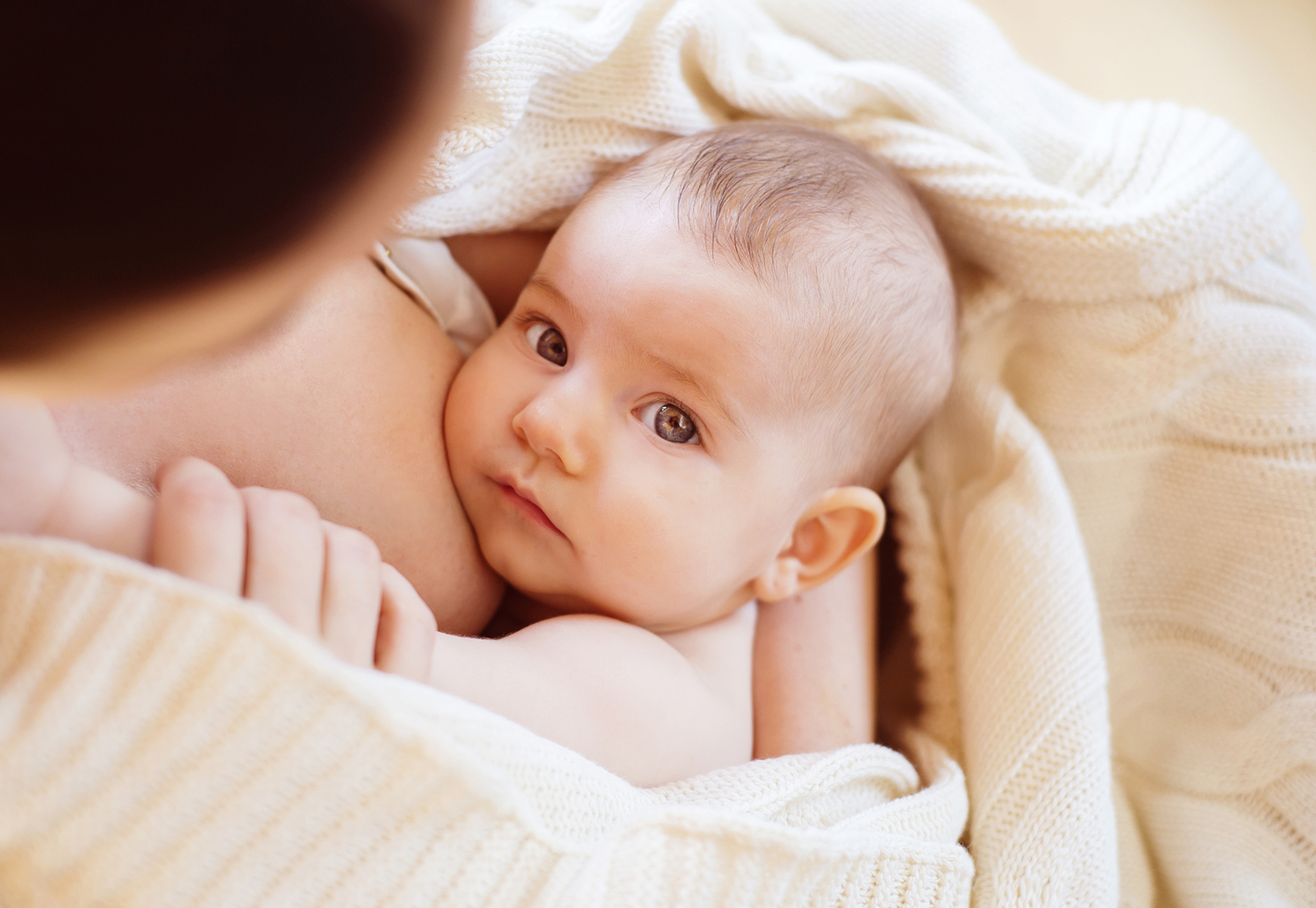
Breastfeeding is an amazing commitment that comes with many challenges and rewards. The benefits of breastfeeding are endless for both mother and baby, from protection from infectious diseases, to cardiovascular health benefits, to improving mental health and confidence for parents (Horta, 2007). In 2003, the World Health Organization recommended infants be exclusively breastfed until sixContinue reading “Ensuring Support for Breastfeeding Families”
A New Paradigm for Postpartum Care!
ACOG Redesigns Postpartum Care Given the urgent need to reduce severe maternal morbidity and mortality, the American College of Obstetricians and Gynecologists (ACOG) released today a revised Committee Opinion to reinforce the importance of the “fourth trimester,” and to propose a new paradigm for postpartum care. Redefining postpartum care is an initiative set forth by ACOG PresidentContinue reading “A New Paradigm for Postpartum Care!”
What Is Pelvic Organ Prolapse?

Pelvic Organ Prolapse (POP), is defined as weakness of the muscles, ligaments and connective tissues of the vaginal wall, causing descent of the pelvic organs. This weakness can result in bulging of the urethra and bladder, cervix and uterus, small intestine or rectum into the vaginal wall. Causes of prolapse are: 1) Childbirth 2) WeakContinue reading “What Is Pelvic Organ Prolapse?”
Natural Approaches for Infertility

Anyone can be challenged to have a family. No matter what race, religion, sexuality or economic status you are, infertility doesn’t discriminate. Because you’ll never know how badly you want something until you are told that it may not be possible. Together, we can change how others view infertility. It begins with being part of aContinue reading “Natural Approaches for Infertility”
4 Ways Pelvic Floor PT Can Help Your Endometriosis
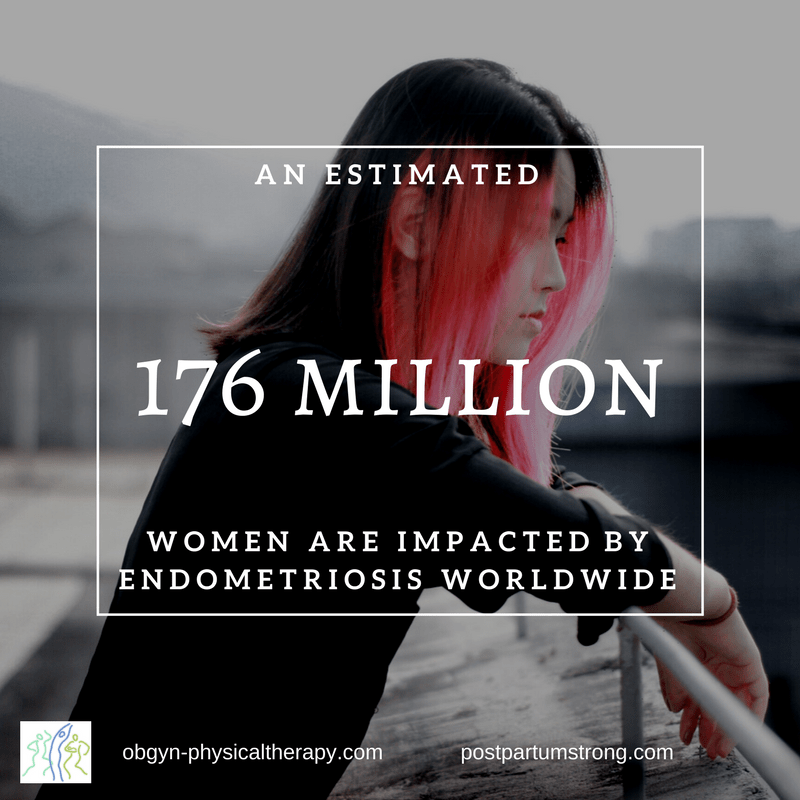
#endometriosisawareness takes place across the globe during the month of March with a mission to raise awareness of a disease which affects an estimated 176 million women worldwide. (source: http://endometriosis.org) 💛 More and more people who suffer with pain related diagnosis are discovering the power of pelvic floor physical therapy in reducing their pain. PFPT’s areContinue reading “4 Ways Pelvic Floor PT Can Help Your Endometriosis”
Let’s Talk About Sex

Sexual Health Awareness Week is Wed 14th Feb – Wed 21st Feb 2018. Sexual health is such a big topic and there are many different things that come to mind for each person. For those who deal with sexual dysfunction, this topic can be especially hard. In honor of this very important topic, we’d likeContinue reading “Let’s Talk About Sex”
4 Ways To Make the Most Out Of Your Pelvic Floor PT Appointments!

We know as a mother, you are very . . . very . . . busy. It can be hard to make time for yourself, so you want to make sure your efforts are well worth the time invested. With this in mind, here are 4 top ways you can make the most out ofContinue reading “4 Ways To Make the Most Out Of Your Pelvic Floor PT Appointments!”
“What can I do for my chronic pelvic pain?”

Definition of Chronic Pelvic Pain Non-cyclic pain of 6 or more months duration that localizes to the anatomic pelvis, abdominal wall at or below the umbilicus, lumbosacral back or the buttocks and is sufficient severity to cause functional disability or lead to medical care. From a Physical Therapy perspective, patients who have chronic pain haveContinue reading ““What can I do for my chronic pelvic pain?””
 Postpartum Strong®