First Pharmacologic Treatment Approved for Women’s Sexual Dysfunction

even the score

Well, they finally did it! The FDA has approved the first Pharmacologic treatment for women who suffer with hypoactive sexual desire disorder (HSDD).  As a long time member of ISSWSH, I have been following the development of this story closely, and was thrilled when I received the following news . . . 

It is with tremendous excitement that we share the announcement that flibanserin, a drug for acquired, generalized hypoactive sexual desire disorder (HSDD) developed by Sprout Pharmaceuticals, was approved by the FDA on August 18, 2015. This follows the June 4, 2015 meeting of their Advisory Committee whose members voted 18-6 for approval.

This historic event marks the availability of the first pharmacologic treatment for women suffering from HSDD. We applaud the FDA for recognizing female sexual disorders as one of their top 20 conditions for which there is unmet medical need and for making their decision to approve flibanserin based on science. We are optimistic that this approval will stimulate more research and drug development for HSDD and other female sexual disorders for which therapeutic options are greatly needed.

We also extend robust gratitude to many of our leaders and members who played a critical role in this long awaited advancement in women’s health care. By serving on the FDA Advisory Panel, speaking for the sponsor at the FDA, testifying at the Open Public Hearings, and caring for patients who suffer from sexual disorders without approved medical treatment options, ISSWSH members provided broad expertise, invested countless hours, and contributed in many ways to this monumental leap forward in sexual medicine.

Flibanserin will be marketed with the trade name Addyi. As a multidisciplinary, scientific organization dedicated to research, clinical practice, and education, ISSWSH is poised to develop and disseminate clinical practice guidelines regarding screening, diagnosis, and management strategies for HSDD. Through our robust educational infrastructure, we will help to ensure appropriate, safe, and selective treatment of HSDD with Addyi, now that approval has finally arrived!

1 in 10According to one survey, about 10 percent of women suffer from hypoactive sexual desire disorder. The F.D.A. said the drug was approved for women whose loss of sexual desire causes marked distress or interpersonal difficulty and is not the result of illness, relationship problems or side effects of other medicines.

Dr. Lauren Streicher, associate professor of clinical obstetrics and gynecology at Northwestern University, said she sensed great interest for a drug like Addyi among her patients. She said the drug’s availability would encourage many women to talk to doctors about their sexual problems for the first time.

As a women’s health specialist, I am a huge advocate of educating women and encouraging conversation on those hard-to-talk-about topics such as sexual dysfunction. The approval of Flibanserin is going to change the conversations women have with their doctors in much the same way that Viagra has opened up the conversations men have with their doctors.

The approval of Flibanserin is much more than just a medical option for the 16 million American women dealing with HSDD, it is also a huge step forward in the way society views women’s sexual health. 

Even if you are not personally affected by HSDD, please join the conversation in saying #ThankYouFDA and sharing this video: 

Sources: ACOG, NYTimes, Even The Score

TOP 10 FACTS ABOUT YOUR POST-BIRTH MUSCLES

  1. 33% of women develop a separation of their abdominal muscles known as a diastasis that is caused by weight gain and stretching of connective tissue and muscles during pregnancy.

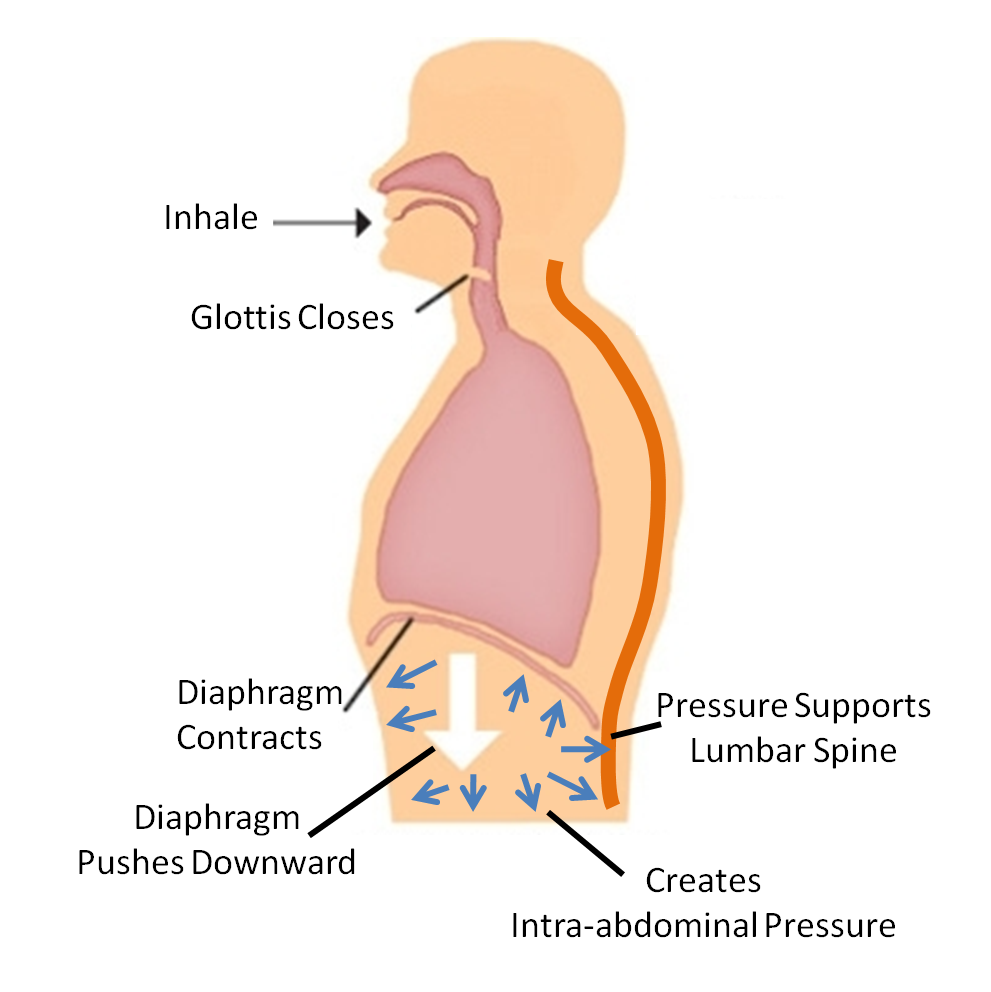
    intra abdominal pressure
        Intra-abdominal Pressure
  1. Holding your breath when picking up your baby or having a bowel movement increases intra-abdominal pressure, straining the abdominal muscles. (We recommend the Squatty Potty, or propping your feet up on a small stool or even a stack of old telephone books!)

  1. Sit ups increase pressure in the abdomen and cause strain on weakened abdominal and pelvic floor muscles.
  1. Fascia (a sheet of connective tissue fibers) and the muscles sometimes recover slowly after having a baby. Orthotic supports like The Femme ® for the pelvic floor or a belly binder for the abdominals provide support while the muscles and connective tissues contract back to normal.
FEMME
                                The Femme ®                              
  1. Return to exercise should be a slow process after giving birth. Running is not recommended for most moms until at least six weeks after birth.
  1. Leaking after having a baby is common but should end no later than 6 months postpartum. 33% of women still leak beyond 6 months and should seek help strengthening the necessary muscles.
  1. Moms often cannot tell if they regained their normal alignment and posture. “Postural stacking” is important for balance and joint integrity.

  1. Sex should not be painful. Muscles often do not return to their pre-pregnancy resting level and can be either too tense or too loose.

  1. Pregnancy hormones continue to circulate through the body for three months post delivery or three months after nursing ends.

  1. Weak pelvic floor muscles are a serious health issue and can be divided into front, middle and back, corresponding to descent of the bladder, the uterus and the rectum.
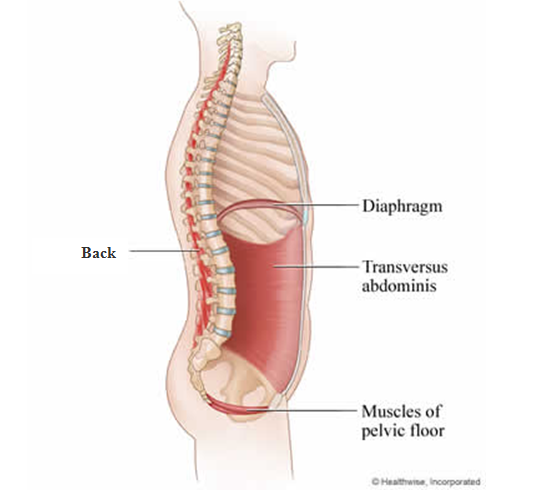
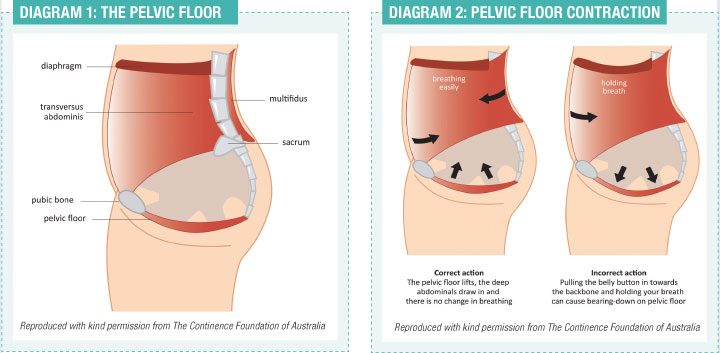
b. Trunk stabilization: The pelvic floor and deep abdominal muscles are linked. By activating the trunk correctly you can also strengthen your pelvic floor muscles and help support the pelvic organs.
Trunk stabilization: The pelvic floor and deep abdominal muscles are linked. By activating the trunk correctly you can also strengthen your pelvic floor muscles and help support the pelvic organs.

“The French Government Wants To Tone My Vagina”

cora headshot 2In the age of information, including the internet, an individual can research any topic. Since each person has limited knowledge, discerning fact from fiction is often a challenge. In regards to postpartum rehabilitation, most women seek their own fitness plan to snap back from magazines and the internet.

Women are seldom advised by their own exercise program, often to their detriment. For example, performing sit ups can cause separation of the abdominal muscles due to increased intra-abdominal pressure from holding their breath  and stretched connective tissue from pregnancy, weight gain and hormone change. Below is a recent post that discusses pelvic floor rehabilitation which is routinely done in France, la rééducation périnéale. 

“Is Painful Intercourse Normal After Having a Baby?”

mom and baby

Scenario: Mandy gave birth to a healthy baby boy and was cleared to have sex at her six week visit. She was excited to be healing and getting back to her regular activities but was not as relieved to hear this news about sex.  She felt that she still looked pregnant, was tired and tense trying to adjust to her new life . . . having intercourse was the last thing on her mind.

Painful intercourse, known as Dyspareunia, is not as widely talked about as other post-delivery issues- like back pain and weak abdominal muscles- even though nearly 45% of postpartum women will experience this pain. Some common ways in which sexual pain manifests itself is: pain with vaginal penetration, inability to orgasm, decreased lubrication, perineal pain, and other symptoms. Dyspareunia is persistent or recurrent genital pain that occurs before, during or after intercourse that causes you personal distress.

Scenario: Mandy joined a local mothering group hosted by speakers who would touch on a variety of post delivery topics. A women’s health physical therapist was the speaker for the evening and educated the group on therapy options for issues such as lower back pain, weak abdominals . . . and painful intercourse. Mandy learned that the burning and stinging pain she was experiencing during intercourse was not normal and that there were modalities, treatments and exercises that would help her gain back the health of her pelvic floor, reduce her pain and increase her function.

cropped-ester-at-fg-1.jpg

Most women have not been taught the importance of the pelvic floor’s role in sexual functioning. When a woman has burning, stinging or spasms, sexual intimacy and desire for sexual intercourse can be greatly reduced.  For some post-delivery women, who develop increased muscle tension of the pelvic floor muscles, sex can be impossible. Even though most women want to get their sexy back after having a baby, they often do not know that specialized physical therapy can help them meet their goal.

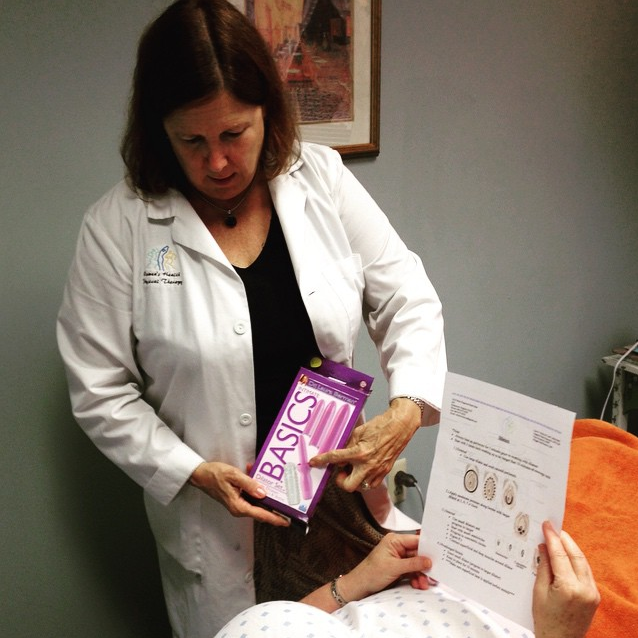
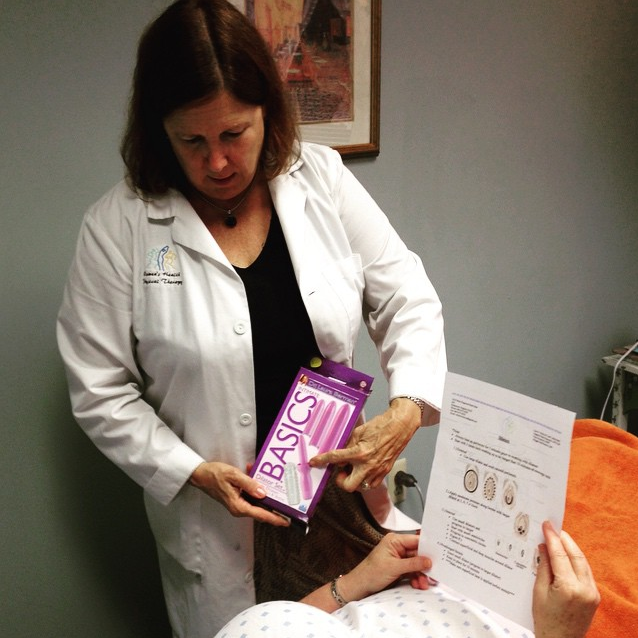
Scenario: Even though she was hesitant to discuss her concerns about sex, Mandy spoke with her gynecologist. She was referred to a physical therapist specially trained in women’s health. Mandy received an individualized evaluation and treatment based on her specific diagnoses, symptoms and goals. She was told that her pelvic floor muscles did not return to their normal resting tension baseline. One of the manual treatments that was most helpful, was the use of vaginal dilators for soft tissue mobilization.

vag dilators

Vaginal dilation is a very effective tool in helping to eliminate the PC muscle reflex, the underlying cause of vaginal tightness, burning, and penetration difficulties. The pelvic health therapist educates regarding the anatomy of the musculoskeletal system and physiology of the involved muscles and sexuality. A patient is taught how to properly use and progress with dilators to achieve the desired soft tissue mobilization techniques and monitor the progression of dilator size to increase extensibility of muscles.  Dilator therapy, along with other treatments such as ultrasound, moist, heat, and pelvic floor muscle relaxation techniques are effectively used to treat this condition.

Scenario: After six weeks of consistent pelvic floor therapy and follow through with an individualized home program, Mandy is now happy. She and her husband are now able to enjoy intimacy, including pain free sexual intercourse and she also enjoys improved pelvic floor function which had affected her ability to urinate and have a bowel movement. Even though she was hesitant to speak up because sex is supposed be pleasurable not hurt, she is most grateful that there are specialized physical therapists who can assist. She now knows that muscles in the pelvic floor area need to be treated, just like you would seek evaluation and treatment of the muscles, tendons, ligaments and bones if you sprained your ankle.

weak pf

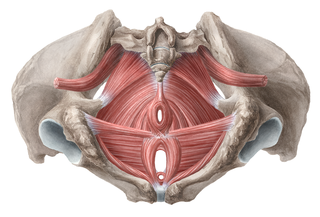
external pf muscles
            External/Superficial Pelvic Floor Muscles
Deep pelvic floor muscles
              Deep pelvic floor muscles

“I have to take care of myself, so that I can take care of my family.”

Pelvic floor physical therapy is an important part of every woman’s postpartum recovery! Listen to this patient’s testimonial on how our Postpartum Strong® sessions helped her reduce pain and improve function.

“I have to take care of myself, so that I can take care of my family.”

“I first came to Women’s Health Physical Therapy after having my first child. I had a normal pregnancy but towards the end, had a lot of hip pain and lower back pain. After giving birth, I also realized that I was having a lot of pelvic floor muscle weakness, ab weakness because my muscles had spread so far apart during pregnancy and also had perineal tissue tear which really caused me a lot of pain, especially when it came to lying down in bed or getting up.”

pelvic_pyramid

“At first, I went to an Ob/Gyn and they just told me, ‘Oh, everything is healing fine, just give your body time to bounce back.’ . . . but I really felt that there was something wrong and that I should be more proactive about it to fix the issue. I also saw a Chiropractor but they only provided temporary relief. It wasn’t until I had spoken to a family member, that I learned about physical therapy options to help address a lot of these areas that really affect a lot of women who are having postpartum challenges.”

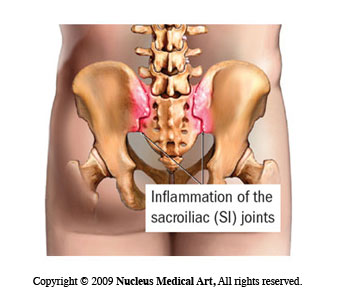
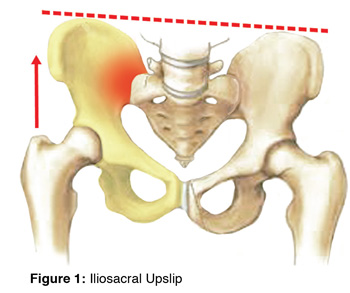
“When I first came here, within the first few exercises, we worked on increasing my pelvic floor muscle strength, worked on SI joint (sacroiliac joint) issues, really working on the muscles that are in my lower back as well as my hips and within two days, I saw a vast improvement. I didn’t have any hip pain, I could walk with a normal gate and the changes were just so drastic . . . I was really impressed.”

sisi slip

” A lot of the exercises are things that I can do on a daily basis, even while sitting. Whether that is Kegel exercises or my pelvic floor exercises, it really goes a long way and I realized that it has helped me be able to engage in a more normal routine, whether I am picking up my child or lying down in bed.”

jobila

“I found that it’s really important that I need to be able to take of myself, so that I can take care of my family.”

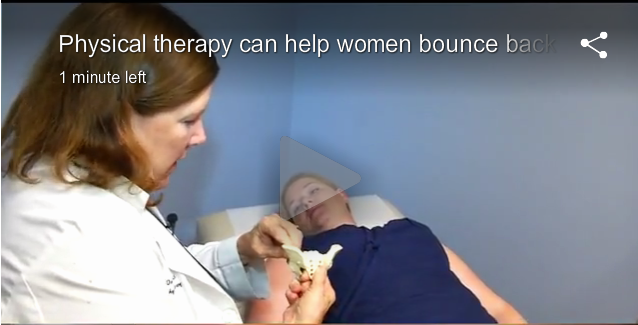
Physical therapy can help women bounce back after pregnancy

HENRICO COUNTY, Va. (WRIC) — Moms, do you feel like your body still isn’t recovered from having a baby? An appointment with a specialized physical therapist may be what the doctor ordered.

WATCH THE FULL VIDEO INTERVIEW HERE

Amanda Moore is a mom of three, including eight-month-olds Eli and Nora.

“I was very busy with the twins and my 3 1/2-year-old but just never felt like I was bouncing back,” she says.

channel 8 2

Dr. Cora Huitt of Women’s Health Physical Therapy says it is very common after pregnancy. Those abdominal and pelvic floor issues can lead to incontinence, prolapse, back pain and more.

“Sometimes the muscles are traumatized, sometimes they have too much muscle tension and you can’t relax enough,” explains Dr. Huitt.

It is why she brought her Postpartum Strong program to West End Ob/Gyn to teach moms like Moore and series of exercises to promote healing through proper posture and breathing.

“They can regain their body and maybe even be stronger,” Dr. Huitt says.

channel 8 4

University of Missouri researchers even found patients can see an 80 percent improvement after just a few of these sessions. Dr. Huitt says it can take four to eight weeks for the muscles to start responding, but with enough effort women can often prevent the need for intervention like surgery down the road.

“We’re definitely seeing some measurable changes, and it’s great to know those little exercises are making such a big difference,” Moore says about her abdominals already coming together. “It’s amazing with just a little bit of daily practice how much stronger I feel.”

channel 8 3

Dr. Huitt warns that you need to be cautious about following any treatment plan you read online. Patients need to know specific exercises for their specific conditions and do them properly. Depending on the plan, insurance often covers the PT sessions. Studies have also found that if a woman starts doing these exercises during pregnancy, it will make the postpartum recovery quicker.

Original Source: WRIC

Physical Therapy for Postpartum Problems

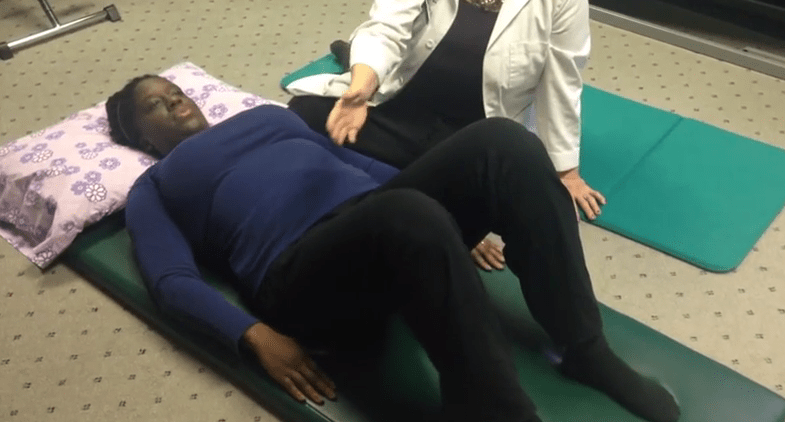
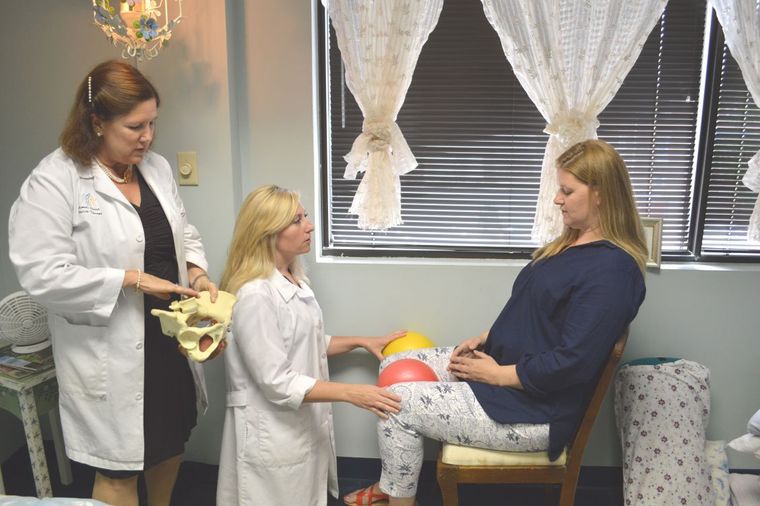
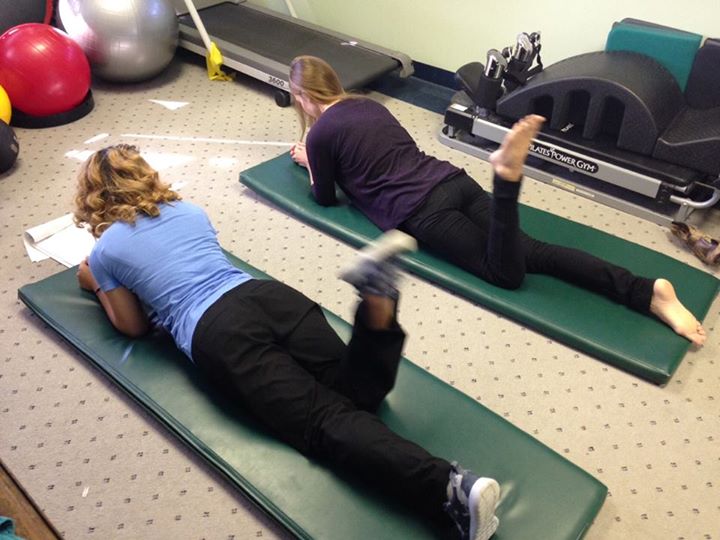
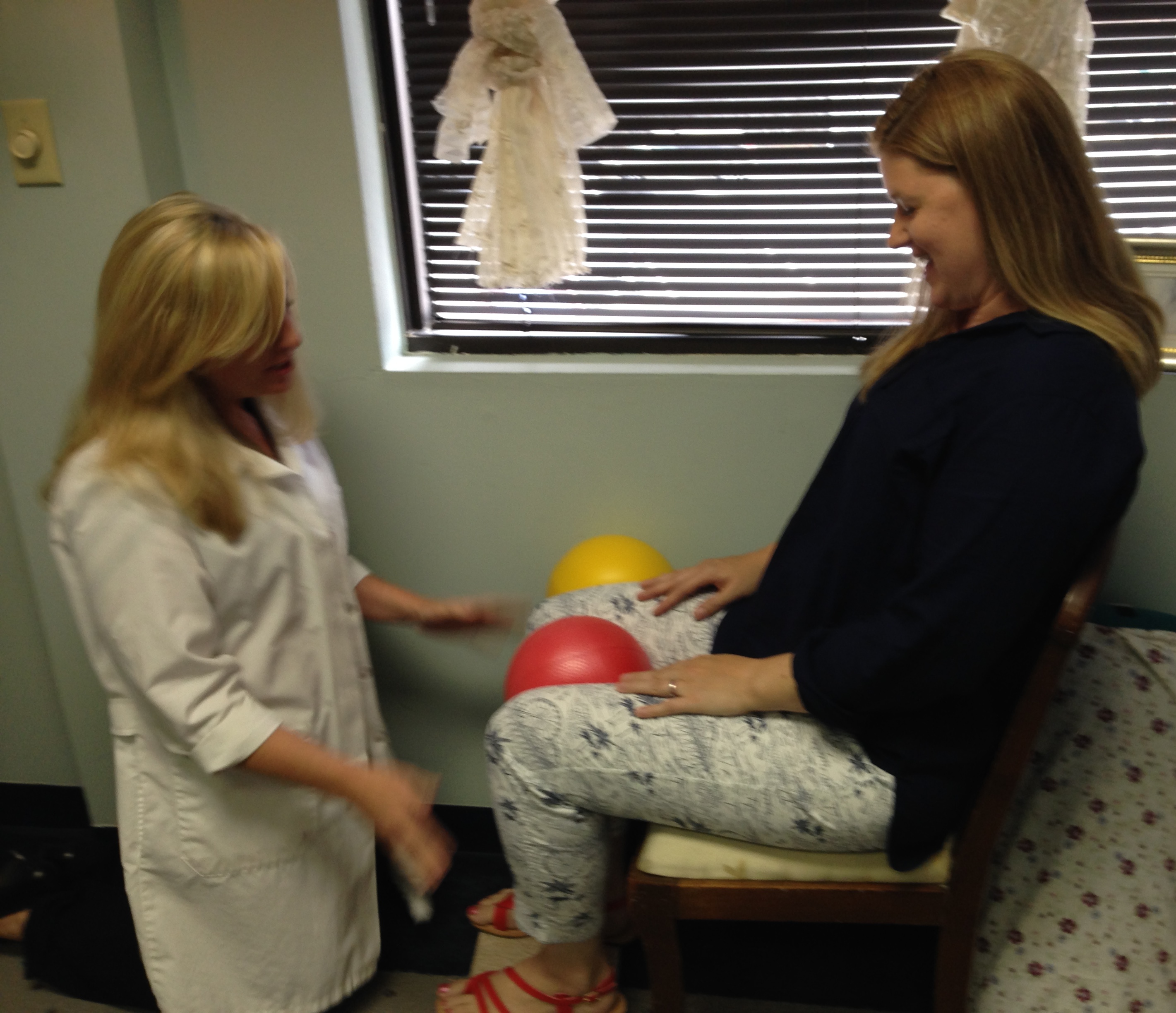
Physical therapist Cora T. Huitt, left, explains pelvic structure to patient Amanda Moore, right, who is being led through a serious of exercise by Angela Poole Seamster, a licensed physical therapist assistant.
Physical therapist Cora T. Huitt, left, explains pelvic structure to patient Amanda Moore, right, who is being led through a series of exercises by Angela Poole Seamster, a licensed physical therapist assistant.

The exercises that Angela Poole Seamster, a licensed physical therapist assistant, instructs Moore to do are to help alleviate muscle and joint aches and pains Moore has been dealing with since giving birth eight months ago.

“After having twins, I felt very weak,” Moore said.

That’s not unexpected, but she didn’t bounce back like she did after her first pregnancy three years ago. This time, there was hip pain, and then back problems started.

Moore enrolled in the Women’s Health Physical Therapy “Postpartum Strong — From the Inside Out” program after finding it on an Internet search for “pelvic rehab” and getting a recommendation from her obstetrician.

“There is so much conflicting information out there about what you should or shouldn’t do to get your body back,” Moore said. “My abdomen was not the same as it once was. I had had a diastasis, separation of the rectus abdominal muscles.”

Diastasis recti is not uncommon in pregnant women as the baby grows and the muscles stretch. It is more common with women carrying multiples, and it can take up to a year for the muscles to return to normal, if they ever do.

Some common abdominal strengthening exercises can actually make diastasis worse, said Cora T. Huitt, who created the Postpartum Strong program at her physical therapy practice in Chesterfield County to provide guidance to women before, during and after pregnancy.

Huitt answered questions about the Postpartum Strong program, which includes an assessment and therapy sessions focused on the pelvic area.

QUESTION: What is a posture picture?

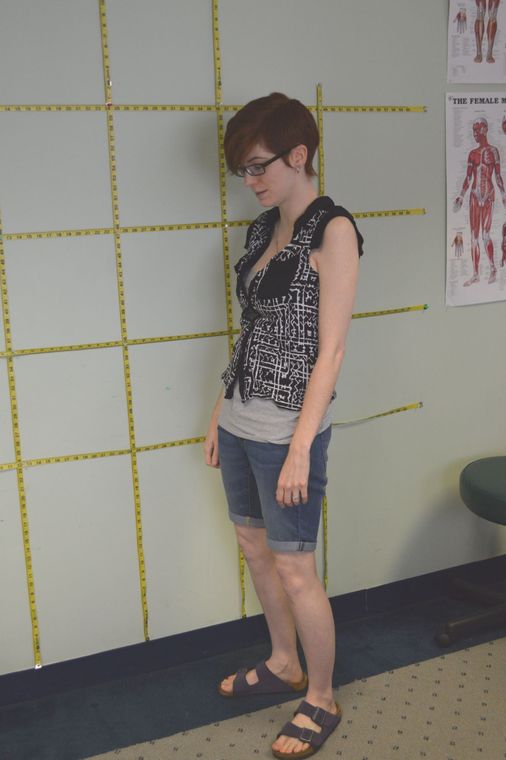
Example of improper posture
Dr. Cora Huitt assisting in proper poster
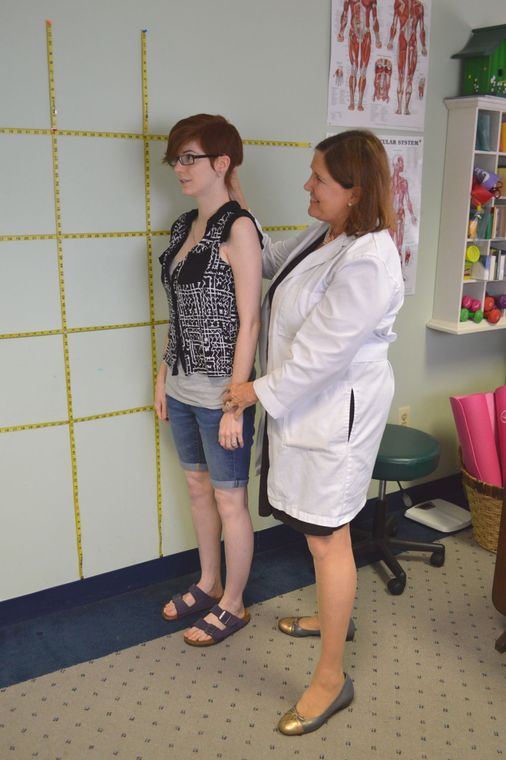
Dr. Cora Huitt assisting in proper posture

ANSWER: We actually have a graph made of tape measures on the wall. We have them stand. We correct them by helping them engage their muscles correctly, especially the lower abdominals to help support the spine. It makes a world of difference.

Many women, after they’ve had their babies, for years continue to stand like they are pregnant even if they have lost half of their (baby) weight or all of their weight. As a result, muscle imbalance develops.

QUESTION: Is this sort of instruction a part of regular obstetrical or postpartum care?

ANSWER: In other countries … often the midwife will come for five visits — in France, every day after you have a baby. Then you’ll have 10 to 20 visits after that for education (about) the perineal area and the pelvic floor.

Dilators are used for soft tissue mobilization for tense pelvic floor muscles
Dilators are used for soft tissue mobilization therapy for tense pelvic floor muscles

The reason that is done is to try to prevent the problems of incontinence, back pain, sexual dysfunction, because sometimes the muscles are too tense after you’ve had a baby or too loose, and then, also prolapse, that feeling of heaviness and the organs tend to descend until the pelvic floor muscles re-engage and can help support lifting the organs and pulling the pelvis together.

QUESTION: How does a woman know if she may benefit from help with recovery?

ANSWER: We try to ask the questions: When you laugh, sneeze or cough, do you leak (urine)? Are you having, are you interested at all even in, intercourse? Are you having discomfort down in your pelvis? Do you have a feeling of heaviness, of organ descent?

woman with baby

QUESTION: You mentioned that proper breathing is important. Explain.

ANSWER: As soon as you have the baby, you have this nice little baby to carry around. People hold their breath and, when they hold their breath, the diaphragm descends, and it puts more pressure on the pelvic floor. So it takes even more effort of the muscles — in strength as well as endurance — to be able to help support the structure.

We teach people to coordinate their breathing. When they do an exercise, they should really exhale. Or when they are picking up the baby, they should exhale.

BY TAMMIE SMITH Richmond Times-Dispatch

Original Source: Physical Therapy for Postpartum Problems

Taking Care of Business

PT for Pelvic Floor Health

There is a widely held misconception that pelvic floor-related symptoms are an inevitable part of being a woman. While females are three to seven times more likely to be affected by pelvic floor dysfunction than males, evidence-based research over the last ten years highlights physical therapy as one of the first-line approaches to resolving or reducing pelvic floor dysfunction.

1505_WellFamily_FPhysical therapy typically requires six to eight weeks of work in a program of treatments and exercises to see effective change, just as proper weight loss occurs slowly over a few weeks.

Pelvic floor dysfunction can be classified into five groups of symptoms: urinary incontinences including urge, frequency, incomplete emptying, slow stream and straining; pelvic organ droop or prolapse; painful intercourse or orgasmic dysfunction; pelvic pain weakness resulting from surgery, radiation, muscle strain, or organ dysfunction, such as a painful bladder; and bowel problems such as constipation, obstruction, or leaking.

Pelvic floor dysfunction is often classified based on where the problem occurs within the pelvis. Many conditions can be lessened with physical therapy intervention and exercise to promote functional use, bladder and bowel retraining, relaxing the muscles within and surrounding the pelvis, breathing correctly with activities, and rehabilitating the muscles to properly contract and relax in isolation and in concert with the other trunk muscles.
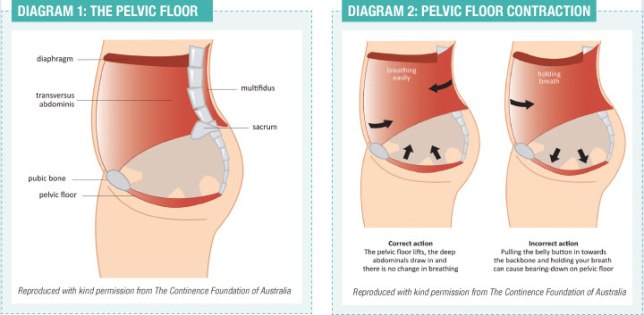
pelvic floor contractions

Myofascial release, moist heat, ultrasound, cold low light laser, connective tissue massage, visceral massage, and neuromuscular education about voiding and defecation are some of the elements and procedures that are part of an individualized treatment approach after a thorough assessment is done. Electrical stimulation can also be used to facilitate strengthening, endurance, coordination, and timing of muscles.

Specially trained physical therapists can evaluate and treat the musculoskeletal components of these diagnoses. In general, pelvic floor dysfunction can be divided into three major categories: overactive (hypertonus), when the muscles do not relax, or they contract when relaxation is needed. Symptoms of this group include urination problems, painful intercourse, or obstructed defecation. Underactive pelvic floor is the inability to perform a voluntary contraction when one is needed to prevent urinary or fecal incontinence and the droop of pelvic organs. And the third, nonfunctioning pelvic floor, is when there is no palpable muscle action, which is usually related to a neurological condition.
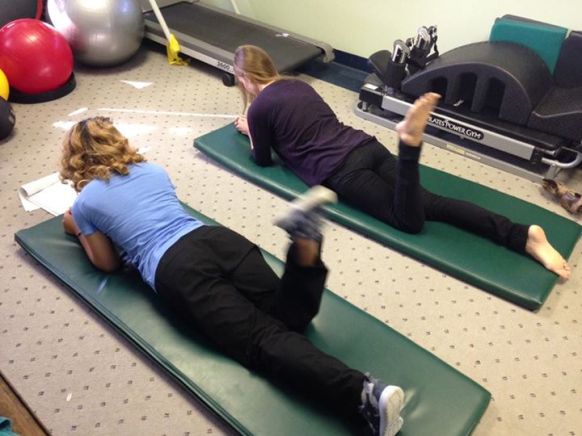
mat exercise

Various PT interventions can be used effectively in each of these instances. In many cases, pelvic floor education and supervised exercise have been proven to be more successful than any other form of care. However, it should be noted that other interventions were superior to no care at all.
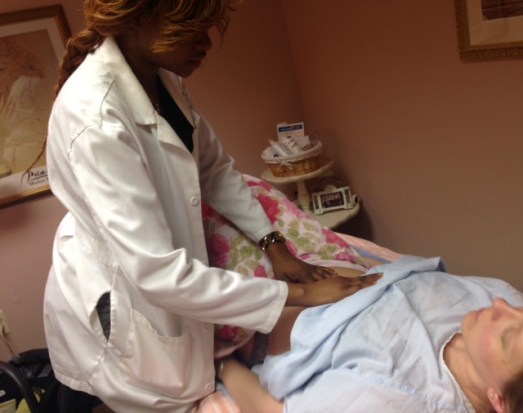
eval4

While physical therapists can help with the evaluation and treatment of different pelvic floor dysfunction, the need for care could be lessened if women were informed early on about the pelvic floor. Using pelvic floor muscles properly should become a life-long habit. Using the deep intrinsic trunk muscles in synergy with proper breathing can pay dividends throughout a woman’s life. Recent research involving more than 400 women revealed that hypertrophy and functional recruitment of pelvic floor muscles prevents and reduces symptoms of prolapse of pelvic organs.

With such studies now available, women have access to education and supervised exercises from specialized women’s health physical therapists to reduce and prevent pelvic floor dysfunction. When women are  offered the knowledge to improve awareness of the risk factors, they can be motivated to actively take part in their health and wellness. Ultimately, pelvic floor muscle training is just as important as flossing your teeth regularly.

Original Source: Richmond Family Magazine

| May 2015 : Well Family

“The party is over…now who’s going to help me clean up?”

 clean up - corrected
As a clinician who’s been treating patients for over 42 years and very active in the community with educating the public on women’s health issues, I’ve heard a lot. I believe it’s important to have an honest dialogue with my patients and create a safe space for them to ask the tough questions. Education is crucial. Education for post-delivery women is even more crucial as it is a component that is currently lacking in the United States.
When patients come to see me for their first appointment, it’s common to hear statements such as:
question bubble
Women have so many resources for support, education and care while pregnant. Once they deliver, most women feel as if they are left to deal with the recovery on their own.
One of the biggest joys in working with women, is being able to empower them with the information they are so deserving of. Over the years, I have realized the great need for a program specifically designed to support women, post-delivery, which is why I am so excited to have recently launched Postpartum Strong® – from the inside out.
WestEnd mom and baby
The Postpartum Strong® program is very exciting, as it is currently the only program of its kind in the United States. Our clinic is so happy to be able to offer this service to women right here in the Richmond, Virginia and surrounding areas!
postpartum strong program - Amanda

Postpartum Strong® – from the inside out, is a unique musculoskeletal program developed for women post delivery to regain muscle strength of their abdominal and pelvic floor muscles. Clinical research now supports rehabilitation after a normal or challenging birth or pregnancy to prevent incontinence, prolapse and/or sexual dysfunction. The components of the program are:

1. Individual screening which is an individual appointment

2. One monthly class offers basic education about the steps to regain proper posture, abdominal and pelvic floor strength, and to learn how to take care of your baby without breaking your back

3. Individual care with modalities such as heat, muscle energy techniques, ultrasound, laser, corrective posture, abdominal and pelvic floor supervised exercises, and neuromuscular reeducation to resolve pain, dysfunction, or just to regain muscle strength, coordination, endurance and timing to be the best you can be!

IMG_2351

The interest and feedback in our Postpartum Strong assessments has been amazing and we have spread the word through the support of the physicians at West End Ob/Gyn. This is the inaugaral roll out of the Postpartum Strong program. Several patients have taken advantage of all components of the program.

west end class

Currently, we are offering:

– Monthly screenings at West End Ob/Gyn and at Women’s Health Physical Therapy

– Free educational classes at West End Ob/Gyn every 3rd Tuesday evening, at 5:30PM,

– Free educational classes, at our main office,WHPT, every 4th Tuesday evening, at 5:30PM

– Mommy & Me Pilates classes, by appointment

-Individual evaluation and treatment as needed to achieve the goals set by the patient and therapist

“Sometimes I pee when I’m running!”

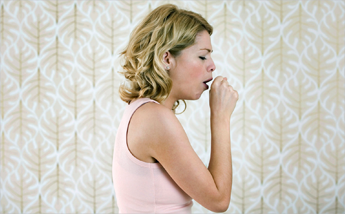
running shoes In a recent research study of 112 elite female athletes, 54% of the participants reported leakage with sneezing or coughing. 86% were slightly bothered by the symptoms. Both women who have never been pregnant and those who had children, suffer with incontinence. A high impact sport such as running, seems to increase the risk of urinary incontinence. Pelvic floor muscle function can deteriorate over the years if the muscles aren’t used and/or trauma occurs.  This happens to patients who are sedentary and sit for hours on end, as well as women who have delivered. Pelvic floor muscles can also weaken with age as estrogen levels decline.weak pf Quality of life can be quite compromised if you are on a “bladder leash” and must know where all bathrooms are located. Runners who leak from muscle fatigue and poor coordination of their trunk muscles, often wear black to reduce the embarrassment of wet clothing from leaking urine. Little research is available on the incidence of incontinence. Incontinence is defined by the International Continence Society as an involuntary leakage on effort or exertion such as sneezing or coughing. One in three women have either urge incontinence (increased frequency of going to the bathroom), stress incontinence (leaking with coughing, sneezing, or laughing), or a combination of the two, called mixed incontinence. 38% of female runners, who have given birth, will experience leakage. 28% of female runners who have not given birth will experience leakage.  Research has revealed that those who do run, or do high impact sports, like jumping, more frequently leak. 26.3% of all fitness instructors have leakage.

coughing

There are treatment options other than medication, which dehydrate a person, or surgery. The Department of Health Research & Development’s research supports the conclusion that 85% of patients will significantly improve with behavioral therapy. Behavioral therapy usually given by a specially trained pelvic health physical therapist or incontinence nurse consists of neuromuscular reeducation and therapeutic exercise, which progress from isolated  muscle function to deep intrinsic trunk muscle group exercises, coupled with proper breathing. Over forty years of clinical research clearly demonstrates that giving a woman a sheet of written exercises was not effective. In an effort to gain strength, endurance and coordination of pelvic floor muscles, individual supervised instructions has been proven to be effective. At first, tools such as surface electromyography, or ultrasonography can clearly demonstrate if the muscles are working effectively and efficiently. Education also includes proper breathing by not holding your breath.  Expaning  the diaphragm, which increases the intra-abdominal pressure, places more stress on the pelvic floor muscles. Stiffness of the pelvic floor muscles supports the pelvic organs and creates integrity of the pelvic girdlle. The superficial pelvic muscle diaphragm exerts sufficient pressure on the urethra to prevent voiding until it is socially acceptable. Typically muscle function improves in 6-8 weeks. 

Many women, who run long distances, like wearing an orthotic like a pessary, an intra-vaginal support for the organs. This device decreases the strain on the muscles. Another orthotic that can be worn is the FEMME. This is an outer garment to give more support of the perineum and deep muscles of the pelvis. pessaries                          FEMME Concern about urinary incontinence is being investigated by different groups in their journals, such as the Journal of Human Kinetics and International Journal of Gynecology and Obstetrics. The prevalence of athletes who suffer from incontinence is being researched. 95.5% of athletes have never discussed this condition with a medical professional. Athletes state their performances are affected by leaking and are frustrated by this. Informing athletes of the effectiveness of specialized physical therapy intervention is needed to improve athletic performance to the best of their ability!