Pelvic Floor Physiotherapy in the Olympic Games 2016 Rio de Janeiro/Brazil

Cristiane Carboni, ICS Physiotherapy Committee member, recently interviewed the pelvic floor physiotherapy team that will be attending the Olympic games 2016. This team of specialists will be providing therapy for the pelvic floor muscles of the Olympic athletes. ‘They are an amazing group!” said Christiane, “and we are so pleased that they have taken the time to tell us about their daily work within this area of pelvic floor physiotherapy.”

The team is composed of three pelvic floor physiotherapists: Camila Garcia de Carvalho, Liris Wuo and Aline Rosseto. Their medical director is gynecologist Maita Poli de Araujo who has proposed a new nomenclature for dealing with pelvic floor dysfunction in athletes. All three therapists are from the Gynecology Sport sector of the Federal University Medical School of Sao Paulo/ UNIFESP.

Pelvic floor dysfunction in athletes and disabled athletes is increasing every day in different countries. It’s seen in different age groups with urinary incontinence the most common problem. Involuntarily loss of urine negatively effects sport performance as well as overall quality of life.
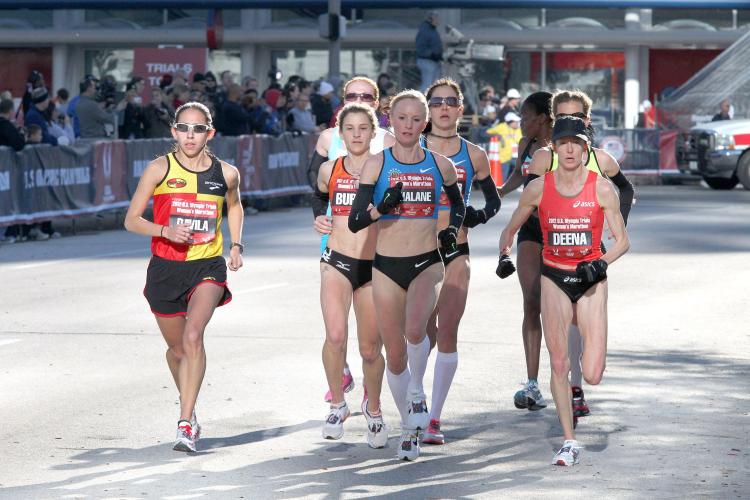
olypics 2

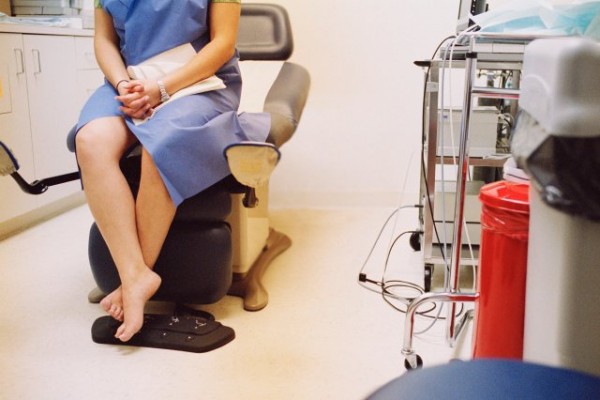
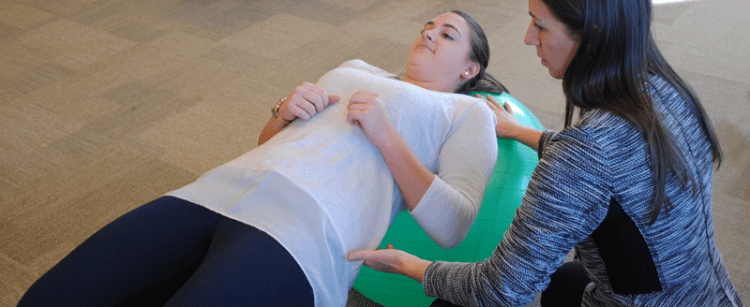
The Sport Gynecology Clinic is conducted by a multidisciplinary team of pelvic floor physiotherapists, gynecologists, nutritionists, physical educators and psychologists. All athletes undergo an assessment with physiotherapists specialising in the pelvic floor. This assessment consists of history taking and physical examination. The physical therapists interview athletes regarding their training program, fluid intake, symptoms of filling and voiding, sexual health, gynecological history and bowel habits. The physical exam includes assessment of joint mobility based on the Beighton Scale. Studies indicate that joint hypermobility may be related to the presence of urinary incontinence. The athletes are examined in lithotomy position with a complete assessment of reflexes and sensitivity in the perineal region. The examiner completes a functional evaluation of the pelvic floor muscles using the Perfect Scale. After the individual evaluations, the athletes are gathered in a gymnasium to participate in the Sport Pelvic School. This project aims to educate the athletes about the anatomy and function of the pelvic structures using lectures and activities for body awareness. The exercises are based on the Pelvic Sports Program, which has been shown to be effective for improving the function of the pelvic floor muscles in athletes.
Pelvic-Pain.png

Throughout the Sport Gynecology Clinic evaluation, a large number of athletes are found to have micturition disorders. The physiotherapy team proposes a treatment protocol based on optimal function and focused activation of the pelvic floor muscles especially before efforts made in training via the Knack protocol.

We wish all athletes participating in the 2016 games, good luck! And thank you to all the medical professionals assisting in the games!


Article by the Physiotherapy Committee : Cristiane Carboni

cr

Empowering the Mamas

new mom smiling

Becoming a mother is loaded with an immense amount of change, both physically and emotionally. While a woman starts a new relationship with her body, she is also creating a connection with a vastly transformed identity and a tiny little human.  Life as she knew it is no longer, and there are real feelings that come with all of these changes.  Some are bliss and some are mourning.  All are valid.  Sleep deprivation only exacerbates the feelings about these changes and can make it much harder for women to adjust to this unfamiliar life.  What we know from current research is that sleep deprivation plays a significant role in postpartum mood and anxiety disorders and postpartum mood and anxiety disorders play a role in infant sleep patterns.

“What this tells us is that infants fare much better when mom takes care of her basic needs. However, with the image the Perfect Mom from the media and the pressure from current parenting ideologies, shame often gets in the way of mothers having their basic needs met.”

Sleep is imperative to your overall well-being and your baby’s health, and there are safe, evidenced-based approaches to help you and your baby get more sleep.  While it is normal, even necessary for new mothers to lack sleep those first few months, it should not be expected that sleep deprivation or walking around like zombies is your new normal.

sleepy mom

Linking motherhood to sleep deprivation and saying that this is standard is setting parents up with false information, and it is simply not fair. The truth is, babies need to eat through the night the first 4-12 months of life.  And, they need you to respond to develop trust and healthy attachment. However, if your baby has been following his own growth curve, it is likely he’ll be able to drop night feeds in the earlier end of that window.  And, babies develop self-soothing skills around 5 months.

While developmental changes, illnesses, and teething will play a role in sleep for infants and toddlers, we can help their norm and your norm be a good night of sleep!  Once your baby does start sleeping through the night, it is possible that you will have a few nights of insomnia as your body and mind adjust to this new routine.  It is even common to mourn the stages when your baby needed you right there.  Keep in mind that your baby appreciates the level of trust you are showing him.

Here’s a little science behind sleep.  We all wake up between sleep cycles.  However, as adults we know just how to get into that comfortable spot to get ourselves back to sleep.  All babies wake up between sleep cycles too.  Some call out for help while others have learned their comfortable position and can fall back to sleep easily.  This is what we want for kids.  We want them to have a feeling of safety through the night, because they have a sense of self-mastery.  We celebrate this in most other areas of a child’s life.  But, opinion-based literature about sleep has left mothers feeling guilty and honestly terrified to guide their children around sleep.  This leaves mothers sleep deprived and lacking one of their basic human needs. 


stressed mom

There are many reasons why moms are not getting enough sleep.  There is anxiety about getting back into skinny jeans and 5:00am gym calls, the stress of doing everything perfect as a mother, and the pressure from other’s opinions.  Shame is one of the main reasons new mothers do not take care of themselves.  We now know that shame from current parent ideologies leave mothers second-guessing their own ability to care for their child and leave very little room to care for themselves, especially when it comes to the delicate matter of sleep.

happy mom

When we can let go of shame from other’s opinions and cultural expectations, mothers can develop their own maternal identity, take better care of themselves, and thus better attune to their children’s needs.  With a sense of self around motherhood, one can trust her own observations of her children and stand  in her power as their mother all while knowing that if she seeks help in some areas, it does not mean she has failed.  This is what we want!  Empowered mothers.

To learn more, please visit me at candybeers-kim.com.


candy beers pic
Candy Beers-Kim, M.S., R-DMT
With a background in infant mental health and attachment, Candy offers solid information based on current research in developmental psychology, parenting, and interpersonal neurobiology.  She has had the privilege of studying with some of the top researchers in the world and is passionate about supporting families through challenges that are very real and raw in parenting, especially parenting around the delicate issue of sleep.

5 Tips to Ease Stress after Delivery

Having a baby is a joyful time, but can also be stressful. Every mother’s experience is different, so there is no surefire way to make sure everything will go the way that you want or expect it to. This story examines several ways to naturally ease stress as you acclimate to your new normal, however.

massageTake Care of Yourself Physically

Exercise, meditation, and proper nutrition are important to good health and well being. Many women’s bodies change in unexpected ways during pregnancy and delivery, so visiting a chiropractor for an adjustment or getting a massage may help to ease the physical stress that the experience placed on the body. Having a musculoskeletal assessment done can also help you to avoid physical complications that may stem from having a baby. This may seem like a luxury that you just don’t have time for, but is so crucial to helping you bounce back and have more energy and better well being for yourself and  your family.

Seek Humorlaughing

Laughter has shown to ease stress, regardless of the source of that stress. Becoming a mom provides plenty of unexpected laughs, but seeking out humor intentionally can help to keep the emotional stresses from getting to you. Watching funny sitcoms, spending time with good friends, and even looking up comical videos and sayings online may help to keep your perspective positive.

Rely on Others for Support

Relying on friends and family to assist with tasks and provide emotional support can help to ease the pressures of motherhood immensely. Speaking to someone about fears and frustrations can help to vent the stress and provide a healthier emotional balance than bottling up feelings. If you feel overwhelmed with stress and the support of friends and family is not enough to ease the stress, seeking out a therapist or postpartum doula may help you to find ways to cope.

sleeping babyEnjoy Your New Baby

While it may seem that there are a million things to do when there is new baby, stopping them all to take time to enjoy the new baby can ease stress and make it all seem worthwhile. Cuddling with the new baby and interacting can create bonds that will last a lifetime. Taking time out just to snuggle up and rest or to play can help to ease the pressures and give you renewed energy and motivation to face the new responsibilities.

Give Yourself Time to Adjustfamily

Many women make the mistake of expecting to jump right back into life the way it was before pregnancy after delivery. Recovering both physically and emotionally takes time, however. Changing your mindset and giving yourself time to adjust to your new schedule, responsibilities, and physical capabilities without self-judgment may help to ease stress and facilitate a smoother transition. 

If you have any tips that you’d like to share that helped you to ease stress after delivery, please share!


Thank you to our guest blogger:

amanda blogger

4 Ways You Can Make Sustainable Choices for Your Little One

earthHappy Earth Day 2016!

Every mom knows that a new baby means a whole new category of things to purchase — not only furniture, diapers, toys and food, but also all the extras that seem to accumulate. While baby products can be a consumers heaven, the key is to not be lured into an unnecessary buying frenzy (even within the sustainable product market). There is so much more to a sustainable life with your little one than cloth diapers and organic baby food . . .

Here are 4 ways you can make great choices, that also happen to be good for the earth and your wallet!

1. Purchase Used Cloth Diapers

Yes, you can purchase second hand cloth diapers! We suggest Franklin Goose, in Carytown! They buy and sell used cloth diapers and offer a variety of sustainable and natural products for your baby.

cloth diapers

2. Skip the Jars – Make Your Own!

For most babies, six months marks the time your baby will start to eat solid food. Rice cereal and mushy veggies and protein….sounds like grown up food….only blended! Cook up  your choice of veggies, meat, fruit, tofu and beans and freeze it in icecube trays or small freezable containers. Wallah! Now you have food that is ready to take out and defrost whenever you need it.  Of course, buying food in jars is very convenient. For those times when ready-made food is optimal for your situation, choose organic and/or fresh frozen baby foods whenever possible.

img_3883


3. Simple Skin Care – Coconut Oil!

There are hundred of choices when it comes to skin care products . . . even for your baby. The constant advertising of creams, lotions and powers can be overwhelming. Tip: Less is more when it comes to your baby’s delicate skin. The very best baby oil/lotion is coconut oil! This oil has so many benefits and is natural and affordable. You can purchase coconut oil at most grocery and health food stores, such as Elwood Thompson’s.

coconut-oil

4. Simple, Natural Cleaning Products

Keep it simple and chemical-free when cleaning toys, diapers and baby furniture. Un-scented castile soap, vinegar and baking soda work wonders! There are plenty of recipe that can be found online, such as:

  • 1 Cup Water, 1 Cup Distilled White Vinegar – Combine ingredients and store in a spray bottle to be used when cleaning your child’s toys.


Homemade-kitchen-cleaner.jpg


These are just a few simple ways that your purchases can be both healthy for your baby and the planet! Share with us your family’s simple and sustainable methods –  We’d love to hear about them! 

The importance of a well-fitting shoe


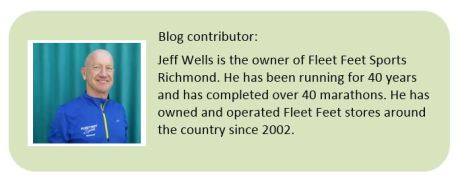
“A well-fitting shoe is very important to us all. We, of course, recommend that you get fitted for your athletic shoes at a specialty running store such as Fleet Feet. The fit specialist can ensure that the shoe is fitting properly.” says Jeff Wells, owner of Fleet Feet Sports in Richmond, Va.

fleet feet logo

“In general, expect your athletic shoe to be a half size to a full size larger than your casual shoe. This is to allow for swelling and expansion during your activities. There should be a small amount of room between the end of your toes and the front of the shoe. The widest part of your foot should lie in the widest part of the shoe. Shoes too tight in this area can lead to numbness and shoes too large can lead to excessive movement. Both conditions can lead to blisters.”

Dr. Cora Huitt, a women’s health pelvic floor specialist and owner of Women’s Health Physical Therapy, recommends that women have their shoes re-fitted after giving birth.

“After giving birth, there are hormones still circulating in your body that can cause your joints to become lax. Women’s arches and shoes sizes often change and require a different type of shoe to be worn for the correct support during exercise.” Huitt points out.

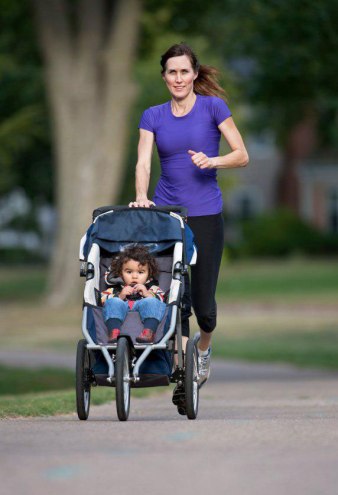
running with baby.jpg

The lacing system plays an important role in the fit of the shoe. When properly laced, the foot should feel secure in the shoe so that no relative movement occurs. The lacing system and the shoe’s upper hold the foot down onto the bottom of the shoe so that both behave as one.

“At Fleet Feet Sports, we offer our Fit Process to fit you in the best athletic shoes available. We start with a thorough interview to find out for what activities you will be using the shoes, what your goals are, and what, if any, injuries we need to be aware of. The interview is a very effective method to start the fit process.” says Wells.

Jeff Wells and his team will take measurements of your bare feet using our Brannock Device. Length and width are taken to guide us to your correct shoe size. Arch elongation is measured to determine how flexible your foot behaves and helps us determine the support requirement of the shoe.


“The gait analysis begins with a close observation of you walking barefoot. As you are walking, we are noting how your foot strikes the ground, the amount of your arch elongation, the position of your toes, and the movement of your knees. All of this, helps us determine what type of shoe you will need. In general, the more flexible your foot behaves, the more shoe support you will need.”

fleet feet store.jpg

“Shoes are selected based on the size and shape of your feet and the amount of support needed. We will offer several options so that you can determine which shoe suites you the best. The gait analysis continues with us observing you walking or running in each shoe. At the same time, you can critique both the fit and the feel of each shoe. The Fleet Feet team member will assist you with your decision on which shoe is best for you.” says Wells.

“At any time during a woman’s life, posture plays a huge part in healthy body mechanics. During the postpartum period, maintaining proper posture is even more critical, as you regain the strength in your core and for taking care of your little one.” Huitt explains.

posture

Wearing shoes that do not fit us properly can lead to issues with posture and exercise performance. One of the functions of the shoes is to allow the feet to be stable throughout the exercise. An ill-fitting shoe often allows the feet to become unstable. This sets off a kinetic chain reaction leading to the misalignment of knees and hips. Our posture is compromised and injuries can occur. At the very least, our performance decreases because of efficiency losses.


jeff wells

“Why Don’t More Women Know About This!”

Q: What was your awareness of how your body worked before having kids?

A: “I guess I would say I was pretty aware. I’ve always been a health conscious person . . . keep track of what’s going on. I’m in the medical field, so I’m health oriented. I was exercising and had lost a bit of weight before my daughter was born.”

Q: What changes did you experience after having children?

A: “There were a lot of things that I did not realize would change about my body after having a vaginal delivery. I started to have quite a bit of incontinence. When I first had my son . . . I had no awareness ‘down there’ and I remember very well when I was getting up from the hospital bed to go to the bathroom and I literally peed across the floor. It was horrible. Then after that, I had the awareness that I had to be a little more diligent.”

Q: How did you hear about Women’s Health Physical Therapy?

A: “I belonged to a mothering circle here in Richmond, and Dr. Cora Huitt had gone to Franklin Goose to do a talk about Postpartum Strong®, and women’s physical therapy . . . and so when I went to the group, one of the gals mentioned it and I was like ‘hmm’ . . . it was like a little light bulb went off. I looked up their practice and saw that they focused on issues like incontinence, and I did have a second degree tear with my vaginal delivery, and so I was anxious about returning to sex. With a C-section, although it is a whole different type of recovery, I didn’t have a difficult recovery and I didn’t have any issues ‘down there’. It was just all abdominal muscles.

Ester at FG 1

“When I went in for my six week appointment, I asked my OB [about women’s health PT] and she said, ‘Oh, sure’, and filled out the referral.”

Q: What did you learn in your Postpartum Strong® sessions?” 

A: “I learned that, even prior to having babies, I didn’t have any awareness of my pelvic floor muscles at all. I did do pre-natal yoga with my daughter, and they would talk about strengthening your pelvic floor during the yoga sessions, but . . . after my experience here [Women’s Health Physical Therapy], I realized that I really didn’t know what that meant.”

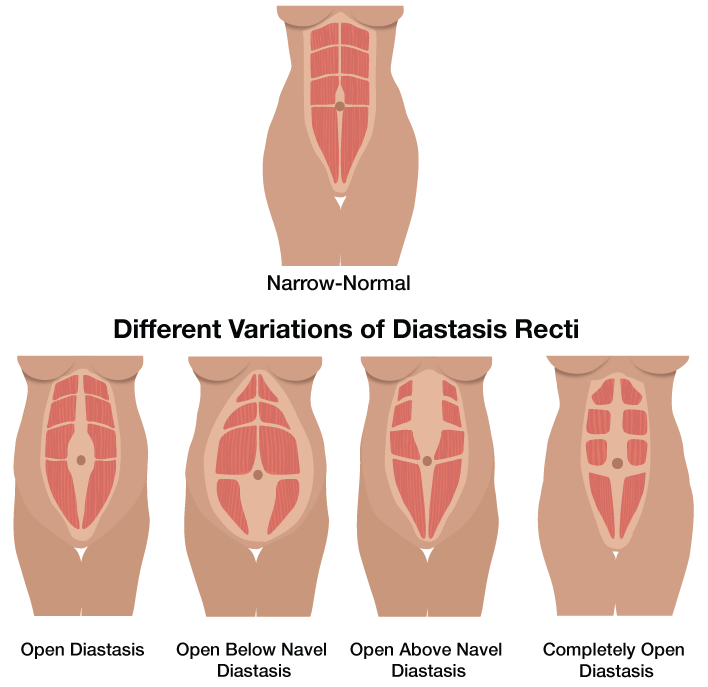
“Also, when I came here [Women’s Health Physical Therapy], I was diagnosed with a diastasis, which is a separation of the abdominal muscles . . . and I had no idea that I had that. Now guessing that I had two kids back-to-back, my diastasis probably never fully healed after my daughter was born and then having my son so immediately after . . . so that was something I didn’t even know about. So, coming here [Women’s Health Physical Therapy] I learned about both of those [diagnoses] and I learned about some pelvic floor exercises, I learned about massage that can help relax the muscles and the tissues and can help with sexual functioning . . . and also strengthening my abdominal muscles.”

diastasis_recti_illustration3.png


“I’ve learned a lot and they [therapists] have been very thorough  and both of the female therapists are very kind and warmhearted and make you feel like this is really an important thing. When you go to your six week appointment, it’s very . . . ‘Okay, everything looks fine – you’re healed, you can go’ . . . But, even though you are ‘healed’, there are still issues going on that if you didn’t know to come for services [pelvic floor therapy], you would just live with those issues and not realize that it doesn’t have to be that way.”

“You don’t have to tinkle your pants every time you go to the bathroom.”

Q: Would you recommend pelvic floor physical therapy?

A: “I have told a lot of women, who have had babies, how important it is to try to come here [Women’s Health Physical Therapy] after they have their babies, because I found that it was invaluable. You just think that this [issues] is just the way it’s supposed to be and you don’t realize that there is help for that.”

WestEnd mom and baby

“If you bust your knee, you know that you need physical therapy to be able to walk . . . I’ve already recommended this to people and told them to keep it in mind for after they have their babies. I think it’s invaluable.”

I think that a lot of women just focus on getting their pre-baby body back . . . in terms of no fat, and abs and being strong  . . . but it’s important to go from the inside out. They taught me that even if I went back to the gym and started doing hard core abdominal muscle workouts, I would ruin the abdominal muscles I have now because of the diastasis that I didn’t even know about. How many other women are out there causing more harm than good when they are trying to get on the right track.

Come Support Postpartum Strong®!

 Open Mic JPEG.JPG

Come support us with your vote on February 24th as we present our Postpartum Strong® program to the public!


Richmond Public Library – Main Branch101 E Franklin St  


February 24th, 2016


Doors Open to the public at 6:00pm (please arrive early!)

Speakers start promptly at 7:00pm 

(*more event information)

____________________________________________________________

Postpartum rehabilitation is a regular component of care in countries like Canada, Germany, France, Brazil and New Zealand.

In Germany: Midwives visit for 10 days following delivery. Women receive body coaches for 6 weeks to check on the baby and to exercise with the mother.

In France Midwives visit for 5 days following delivery and women receive 10-20 sessions of la reeducation perineale.

CURRENTLY, POSTPARTUM REHABILITATION IS NOT A REGULAR PART OF CARE IN THE USA

For this reason, I developed a program called Postpartum Strong® to offer women in the USA the postpartum care they need. Since the launch of the program earlier this year, the feedback and results have been overwhelmingly positive.

Postpartum Strong® – from the inside out, is a unique musculoskeletal program developed for women post-delivery to regain muscle strength of their abdominal and pelvic floor muscles. Clinical research now supports rehabilitation after a normal or challenging birth or pregnancy to prevent incontinence, prolapse and/or sexual dysfunction. This course is a two session class that emphasizes education and supervised exercise instruction.

Through the launch of the Postpartum Strong® program (postpartumstrong.com), we realize how needed this type of care is and have since begun several partnerships with area hospitals to educate doctors, nurses and the population as a whole. Our goal is to spread the information on the importance of postpartum rehabilitation to prevent and treat issues, such as incontinence, chronic back pain, weak abdominals and pelvic pain.

With the support of fellow women, health professionals and the community, we can change the way postpartum care is viewed in this country and provide better options for RVA women to become postpartum strong!

Postpartum Strong® is a program of Women’s Health Physical Therapy and Men’s Pelvic Health

804-379-3002

Relax: Give Yourself 3 Months

Relax:  Give Yourself 3 Months


By

Edmund Schoeffler, MD

You have just had your baby and your body has undergone a few changes.  Pregnancy weight gain and the stress of delivery are the main culprits behind problems with pelvic floor relaxation and urinary incontinence. At the standard 6-week post partum exam, we focus on getting you back into your normal routine, albeit your new normal. Contraception, resumption of physical and sexual activity, and exercise are the main focus. Bladder function is also discussed, but 6 weeks is just too soon to see how things will evolve, as most women have some degree of incontinence in this initial post partum period.

postpartum checkup

There are many physical and social issues at the 6-week check up:  feeding the baby and getting some sleep are really the only things on your mind at this time.  That’s why we at Virginia Women’s Center have adopted a 3-month post partum annual exam into our practice.  This is really the best time to see how bladder and sexual function have recovered after delivery. This is also when we talk about exercise.

Post partum exercise regimens which are best are those which do not put pressure on the pelvic floor.  Recommended exercises are walking, elliptical and cross training which keep your feet on the machines, spinning, and low-impact fitness routines.  Exercises such as running, jumping, squatting, and heavy lifting should be avoided in this post partum time period.   Pelvic floor exercises like Kegels can help improve pelvic and bladder function.  If there are other issues, then more specialized evaluations and management with physical therapy can be addressed. It took nine months of pregnancy to put the weight on.  Working off the pregnancy pounds takes time.  The hardest part of the whole process is finding that time!

postpartum exercise
“Recommended exercises are walking, elliptical and cross training which keep your feet on the machines, spinning, and low-impact fitness routines.”                           

“For many women, there are strong misconceptions in regards to the length of time it will take for their bodies to ‘snap back’ to their pre-baby state. A lot of this can be attributed to the media and what we are presented with as a ‘normal recovery’. The stigma that postpartum women face is still strong and causes many to keep issues such as incontinence and pelvic pain to themselves. This is why it is so very important to find a doctor who will have these discussions early in the postpartum period and answer any of those tough questions you may have. Your body is amazing and has gone through a lot of changes. Find a team of knowledgeable health professionals to support and guide you. Most importantly, be patient with your body!” – Dr. Cora Huitt

To learn more about Virginia Women’s Center and to book your appointment with Dr. Edmund Schoeffler, you may do so by visiting their website or by calling 804-288-4084.

To learn more about Postpartum Strong® and to book an appointment with a women’s health specialist, you may call Women’s Health Physical Therapy at 804-379-3002.

You’re Not Alone! Pelvic Floor Weakness Affects Many Women

Hello all,

I wanted to share this article as I am aware that so many women still feel that they are part of a small group suffering from pelvic floor weakness and do not realize just how many other women are affected!

As part of a women’s health PT protocol, it’s important to focus on strengthening not only the pelvic floor, but the Transversus Abdominis (stomach) and the Multifidus (back) as well.  Strengthening these components, together with proper breathing, will help you overcome some of the issues that accompany a weak pelvic floor, such as incontinence, prolapse and pelvic pain.

______________________________________________________________________________________________

irish health

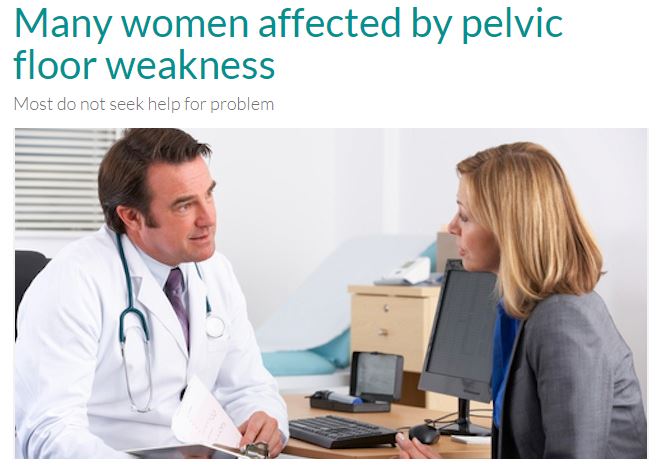
Many women experience pelvic floor weakness, however most would not discuss this issue with a healthcare professional and almost half are not even aware that there is a solution to this problem, a new survey has revealed.

Pelvic floor weakness is mainly caused by pregnancy, childbirth, the menopause, being overweight and having a hysterectomy. Symptoms include accidentally leaking urine when you cough, sneeze, laugh or exercise, having to use the toilet frequently, having difficulty emptying your bladder or bowel, and reduced vaginal sensation.

According to the survey, which was carried out in in the last two months among over 600 women nationwide, more than 70% of women have experienced the accidental leaking of urine during everyday activities, such as walking, running, laughing, coughing and sneezing.

7 out of 10

However, 65% admitted that they would not discuss this issue with a healthcare professional and 41% are unaware of any solutions to the problem.

The survey noted that women are more likely to discuss this issue with their friends rather than their partner. Women are also less likely to discuss it with family or at a pharmacy.

According to GP, Dr Ciara Kelly, women often think that pelvic floor weakness is just something they have to put up with, however there are solutions available.

“Women aged from 30 to 45 plus frequently visit my practice with signs and symptoms of pelvic floor weakness. It can have a huge impact on their lives with their family, with their partner and at work.

sad woman

“There are non-invasive and non-prescriptive solutions which can restore your pelvic floor strength. They focus on restoring the ability to contract the pelvic floor muscles appropriately, in order to improve the function, strength and endurance of these muscles and to prevent leakage and incontinence,” she explained.


(Source: http://www.irishhealth.com/article.html?id=25094)