Is Manual Lymph Drainage Right For You?

lymph

Manual lymph drainage is a type of gentle massage which is intended to encourage the natural drainage of lymph, which carries waste products away from the tissue back to the heart.

Lymph Drainage for Detoxification 

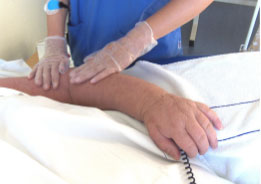
Lymph drainage reduces the size of lymphedema swelling. With a lymphatic massage, the therapist uses gentle pressure techniques to move fluids out of affected areas. IMG_9068

Lymph drainage can be used after surgery and can be trained or practiced by the patient to perform on their own.

Manual Lymph Drainage 

  • moves stagnant fluid/toxins
  • improves minor aches and pains
  • stimulates the immune system

2-3 liters lymph is filtered through the lymph system every day.  Manual lymph drainage:

  • improves the lymph flow 20x
  • cures headaches/minor colds
  • treats/improves/reduces edema
  • treats lymphostatic edema/high protein edema
  • treats lymphodynamic edema caused by liver diseases and diabetes

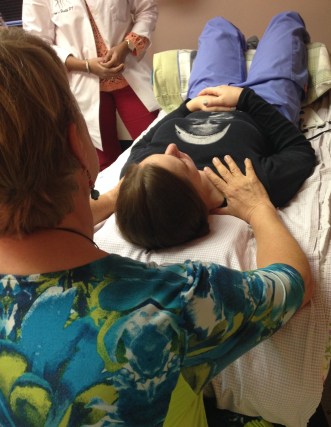
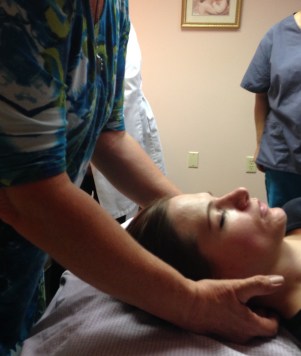
IMG_9069           IMG_9074

Manual lymph drainage can be used after sports – to sooth muscle soreness, injury and surgery. This type of therapeutic massage improves regeneration of tissue, enhances circulation, stimulates immune system, promotes healthy scar formation, and relieves fatigue.

Contraindication: 

  • acute inflammation – tissue is hot, red or painful
  • malignant tumors
  • thrombosis / phlebitis
  • major heart problems

FullSizeRender

What to Expect:

Manual Lymph Drainage lasts about 30-90 minutes and consists of gentle rhythmic pressure and strokes, always working in the direction towards the heart. Kneading and deep muscle work is not required and clients often fall asleep. The treatment can include the entire body or just a particular swollen area of the body. No oil or cream is needed and the treatment can be followed up by wrapping.


wilma Guest Blogger: Wilma Langeveld is a Dutch educated physical therapist who now lives in the United States. She specializes in connective tissue massage, cranio-sacral and Bowen therapy, lymph drainage, various techniques of massage and nutrition.

Source: massagetherapy.com


Top Questions You’ve Been Wanting to Ask a Urogynecologist

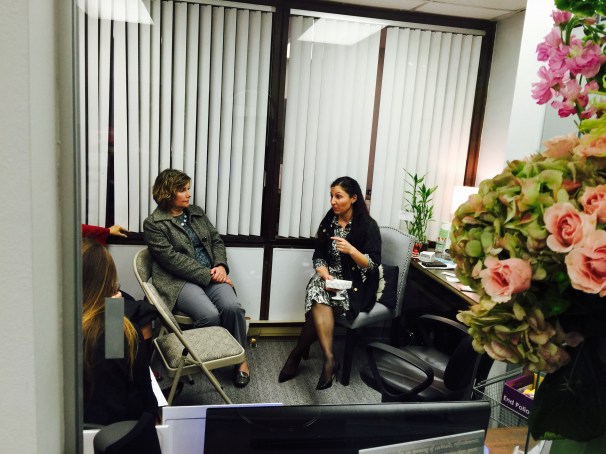
tovia in window

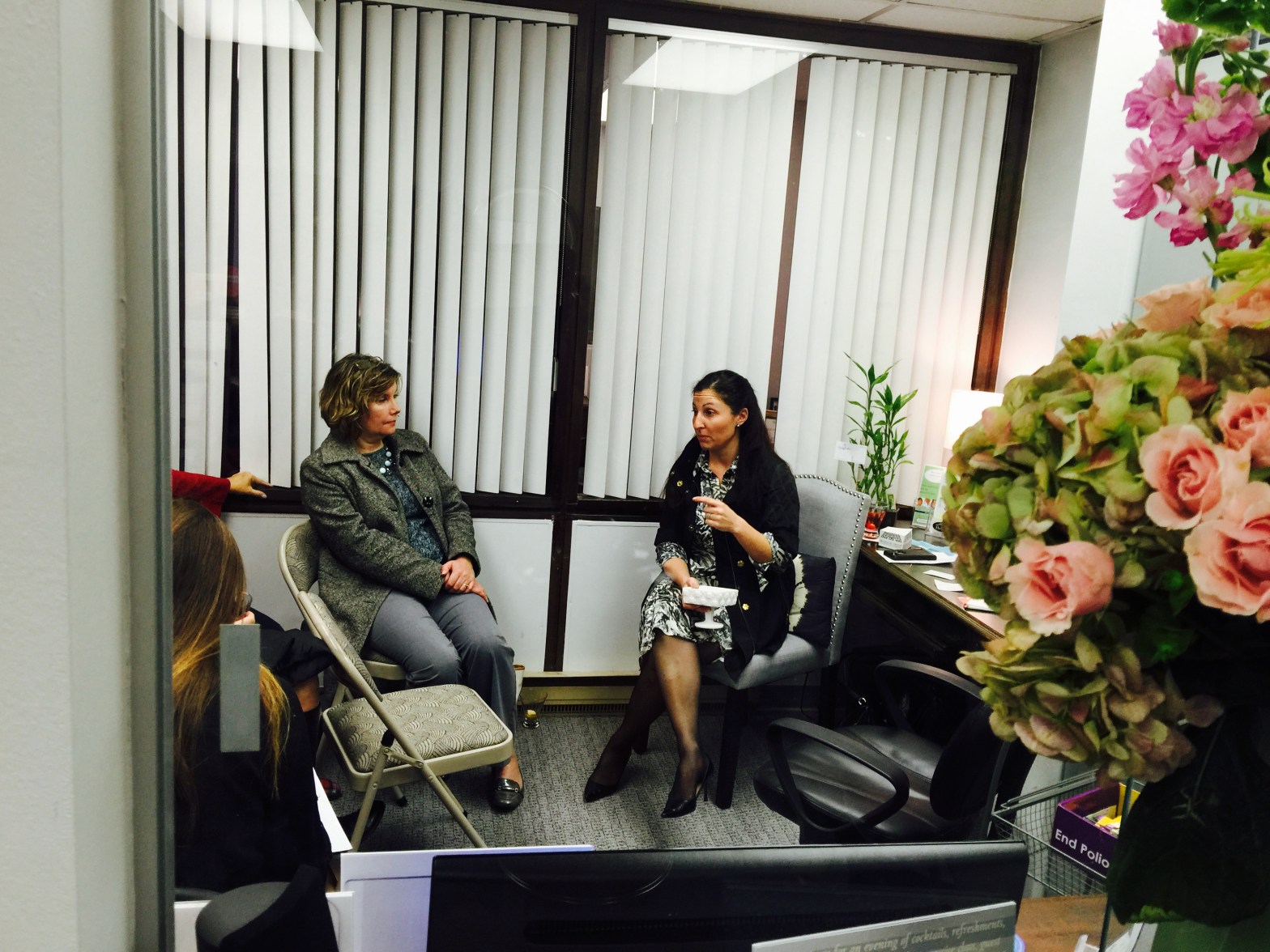
Q and A with Tovia Smith, MD : Urogynecologist : Virginia Women’s Center located in Richmond, VA

Dr. Tovia smith focuses on pelvic floor disorders, such as pelvic organ prolapse, urinary incontinence, and accidental bowel leaking.

http://www.virginiawomenscenter.com/staff-tovia-m-smith-md.html


Q: How can we make sure postpartum care is more than a few checkups?

A: The USA is actually incredibly behind. In Europe, healthcare automatically provides for pelvic floor checkups. In the USA, a woman receives a 6 week checkup follow up appointment that encompasses the infant and breastfeeding (this is generally referred to as the breast, breastfeeding, and bottoms checkup).

If a woman has had a third or fourth degree sphincter tear, she should be referred as soon as possible for a surgical repair.

Suggestion: Use Miralax following delivery to avoid constipation that is often caused by the iron in postpartum vitamins.

tovia and group.jpg

Q: I’ve been using oral birth control since I was 17. Now, I’m in my 50’s and menopausal, experiencing heat flashes and other discomfort so I must go on HRT. How safe is it to be on HRT?

A: Views on Hormone replacement therapy are very controversial. A woman must analyze the risks and benefits and changes in her quality of life, in addition to her pre-standing risk for breast cancer prior to deciding whether to continue.


Q: If I need long term birth control, what is the best solution?

A: There are many long term birth control methods. Studies from the 70’s gave IUD’s a bad reputation because of the theory of risk for increased rate of pelvic inflammatory disease. IUD’s are actually very safe. Tubal ligation and vasectomy are great hormone free options.


Q: What are the safest forms of exercise for someone with sciatica?

A: Pelvic floor and core stabilization exercises are perfectly safe, in addition to anything “symmetrical.” Avoid running or elliptical, for example. Many very fit patients have pelvic floor issues or are not aware that they have a weakness.

Transvaginalsurgicalmesh

Q: How can I improve my quality of life following mesh surgery?

A: Native tissue repairs have 20% reoccurrence rate of pelvic prolapse. Mesh surgeries began when surgeons began using the same mesh used for hernias in the vaginal walls. This fails because abdominal walls do not function in the same way. Mesh often can cause chronic pain and affect nerve functioning. It is particularly hard to remove, even with multiple surgeries, because it is designed to be incorporated into the body.

Treatment following mesh surgery requires “all hands on deck,” including pain management, surgeons, and physical therapy.

Physical therapy treatment options include muscle relaxation, dry needling, massage, etc.


Q: If I don’t have I.C. (interstitial cystitis), would there be any other reason for feeling the urge to urinate consistently?

r7_interstitialcystitisA: I.C. means a patient is consistently trying to achieve an empty bladder. This patient generally believes she has consistent UTI’s but no evidence of infection, bladder cancer, etc. This is a diagnosis of exclusion because many times the problem can only be identified by the treatments that don’t work. For example, I can exclude the possibility of overactive bladder syndrome if I prescribe antihistamines at night time and it doesn’t improve symptoms.


Q: How can we get new moms to talk about pain and pooping?

A: Get the word out! We used to not even talk about breastfeeding! It’s hard to reach new moms at such a new stage in life. Their hormones have changed, they’re returning to work, and everything has changed.

Advice: Avoid running and jumping for 3-6 months following childbirth. Be slow and patient with your body and with recovery. Take care of yourself!


Q: What can be done pre-delivery to prevent pain with sex?

A: Research currently focuses on stretching during the delivery process. Saint Mary’s hospital currently focuses on this research. There is a focus on increasing movement and flexibility of tissue during and prior to childbirth.

2000px-Scheme_hysterectomy-en.svg.png

Q: Will having a hysterectomy affect my future sex function?

A: We try to leave a woman’s ovaries until age 65 to help with libido. It appears that many ovarian cancers start at the end of a woman’s tubes, so tube removal is generally a better option. Hysterectomies can shorten vaginal length, which can affect sex in addition to remaining scar tissue.


Q: What causes prolapse?

A: Prolapse is multifactorial.

Risk factors: The most critical is age, the second most critical is the number of vaginal deliveries a woman has had, followed by the number of deliveries in general, and finally a woman’s family history. When I’m seeing patients, I immediately ask about family history of prolapse to determine whether a woman’s symptoms will worsen.


Q: What do you do with vaginismus (muscle spasms around the vagina making sex painful)?

A: Sometimes a traumatic delivery can cause this to occur. I often use muscle relaxants and vaginal and anal valium to treat it (which have less side effects than if taken orally).

—————————————————————————————————

To schedule an initial evaluation with a pelvic floor physical therapist, you may contact Women’s Health Physical Therapy by phone: 804-379-3002 or email: whptrichmond@gmail.com


To schedule an appointment with Dr. Tovia Smith, you may call Virginia Women’s Center at: 804-288-4084


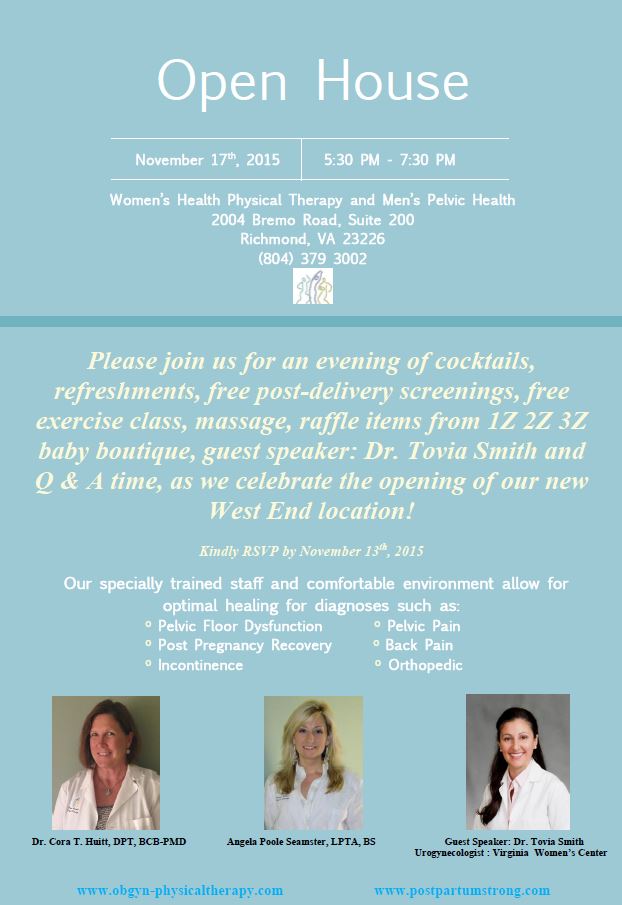
OPEN HOUSE : COCKTAILS AND FREE POST-DELIVERY SCREENINGS!

Please join us for our Open House at our Bremo Road location on November 17th from 5:30PM-7:30PM.
We will be raffling off a $50 gift card and Marie Chantal bear suit from 1Z 2Z 3Z, an adorable baby boutique on Patterson Avenue in Richmond, Virginia! We will also be providing free post-pregnancy assessments as part of our Postpartum Strong® program, free exercise class and massage therapy!
Our guest speaker for the evening is Dr. Tovia Smith, a Urogynecologist at Virginia Women’s Center. She will be at our Open House from 6:00PM-6:30PM to answer any questions you may have.
Hope you will be able to join us for a fun and informative evening! Please pass this invitation along to your friends, family and co-workers!
Open House JPEG

RSVP by phone: 804.379.3002 or by email: whptrichmond@gmail.com

How Breast Cancer Patients Can Minimize Side Effects With Physical Therapy

breast 1In 2015, an estimated 231, 840 new cases of invasive breast cancer are expected to be diagnosed in women in the U.S., along with 60, 290 new cases of non-invasive (in situ) breast cancer.   In patients with breast cancer, recovery time varies greatly, and not every patients with breast cancer will require post-treatment rehabilitation, swelling (lymphedema) and limited range of motion following treatment can prevent them from returning to their normal daily functional activities.

Treatment for breast cancer includes surgery, radiation and chemotherapy. These treatments cause many patient’s to experience fatigue, pain, stiffness, swelling or numbness in their body. This pain and numbness can be caused by nerve irritation, and nerve swelling.

Rehabilitation needs can be assessed and treated by a physical therapists, who will work closely with your doctor to set an individualized treatment plan and goals.

lymph 1
Your current condition, including pain characteristics, areas of swelling and range of motion, will be reviewed and begin a course of exercises to regain strength and flexibility and reduce pain and swelling.

So How Can Physical Therapy Help?

An effective way to treat the many uncomfortable side effects of breast cancer treatment is to begin a regimen of specialized exercises. Physical therapists can set an individualized routine to strengthen the fatigued muscles and help to reduce stiffness and pain.

It is very important to increase flexibility as this can be lost during breast cancer treatment. Flexibility can improve a patient’s posture, which in turn will help with pain management.

If you have just through breast cancer treatment, you can begin visiting a physical therapist after your incision has healed.

How Can Physical Therapy Treat My Lymphedema?

lymph 2

For Lymphedema treatment, there are four elements of focus: compression, skin care, lymphatic drainage and massage and exercise.

Compression garments are especially helpful in minimizing swelling and reducing pain. For some patients, they will have to continue to wearing these compression garment for the long term to keep the swelling under control.

Many different styles and compression classes are available, and a therapist can help you determine which will be best for your level of swelling and the best times to wear them.

Lymphedema may show up days, months or even 20 years later! A person should realize that these precautions are for life!

REMEMBER: Swelling is easier to prevent than to get rid of!

Until we understand Lymphedema better, some PRECAUTIONS should be observed

There is the risk of developing Lymphedema after axillary node dissection with or without radiation. Some precautions should be observed to prevent or minimize Lymphedemaskin

Avoid the following:

  • All kinds of skin punctures
  • Scratches, burns, and cuts
  • Pet claws
  • Prickly plants roses. Use gardening gloves
  • Prolonged sun exposure (radiation recall) Always use sunscreen
  • Jacuzzis and saunas
  • Cutting your cuticles
  • Injections, blood pressure, and blood draws on the affected arm.
  • Tight clothing/jewelry at the wrist
  • Insect bites-mosquitoes, bees
  • Sleeping on that side

Helpful Hints

It might be advisable to wear a compression sleeve for the following:

  • Airplane travel or long car trip
  • Repetitive motion activities: housekeeping, sports, health club workouts, gardening, snow shoveling and other repetitive activities
  • Activities requiring lifting more than 5-7 pounds (avoid lifting excessive weights)

Significant Suggestions

  • Wear oven gloves to remove hot dishes and pans
  • Meticulous skin care: Moisturize your arm daily
  • Vitamin E is helpful to heal and soften scars
  • Castor oil after radiation helps promote skin healing
  • Keep a first aid kit with you at all times: alcohol wipes, Antibacterial cream (Polysporin/Bacitracin), Band-Aids
  • When traveling, carry antibiotics with you in case of cellulitis (saves time in emergency)
  • Use an electric razor to minimize chance or cuts and nicks
  • Wear a medical alert bracelet
  • For those with lumpectomies and/or breast swelling, sports bras can be very helpful during the day or at night
  • Use two handed technique for limb protection
  • Antihistamines may be helpful in preventing the first episode of Lymphedema after a cut or overuse

SIGNS OF CELLULITIS

If your arm becomes red, painful, warm, and/or swollen, this is an emergency. Contact your physician immediately! If your physician is not available, go to an emergency room

REHABILITATION CONSIDERATIONS

Exercise is always good, but don’t overdo it! Remember to always listen to your body and especially your arm!exercise

Rehabilitation includes:

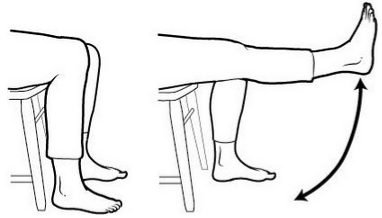
  • Individual exercise programs
  • Deep breath (assists lymph flow) and relaxation exercises (mediation encouraged)
  • Osteoporosis prevention education and exercises
  • Posture education, correction and exercises
  • Manual therapy to reduce pain, scar tissue, adhesions, fibrosis and restore range of motion, strength and function
  • Lymphedema prevention education or treatment
  • Manual Lymphatic drainage
  • Compression garment education

MammographyScreeningFactsAnnual mammograms can detect cancer early — when it is most treatable. In fact, mammograms show changes in the breast up to two years before a patient or physician can feel them. Mammograms can also prevent the need for extensive treatment for advanced cancers and improve chances of breast conservation.

Sources: http://www.breastcancer.org/symptoms/understand_bc/statistics

3 Reasons Posture Is So Important

posture

Assists your joints and muscles
Having proper posture assists in keeping our bones and joints in good alignment so that our muscles are used correctly, decreasing the abnormal wear and tear of the joint surfaces that could cause degenerative arthritis and joint pain later in life. Also, it is shown to reduce the stress on the ligaments holding the spinal joints together, lowering the chances of injury. Proper posture allows muscles to work more efficiently, which allows your body to use less energy and and lower the chances of fatiguing the muscles. Preventing muscle strain is also a perk to having good posture and will even minimize back pain.

posture 1Healthy spine
It may seem like a simple fix but having correct posture is a very important way to keep a healthy structure in the back and spine. If you are one who’s job requires a lot of sitting or standing for long periods of time, consider having some back support.

If poor posture is not practiced, the anatomy of your spine will start to change and can possibly lead to constricted nerves and poor circulation.

The first step is being aware of good posture. The more you are mindful of your posture, the less likely you will be to fall back into old habits of poor posture.

Makes you look lean, toned and confidentposture 2
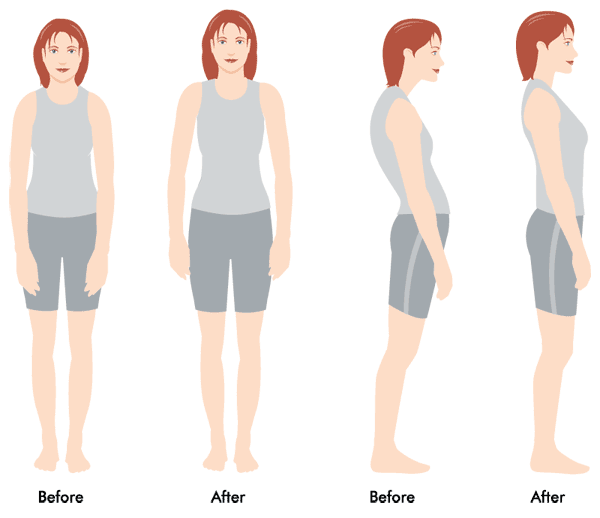
Stand in front of a mirror (better yet, have a friend take a picture of you), and observe how you look before and after correcting your posture. You can see that aligning your body in the proper way can give the appearance of losing a couple of pounds and can even make you feel more confident!

____________________________________________________

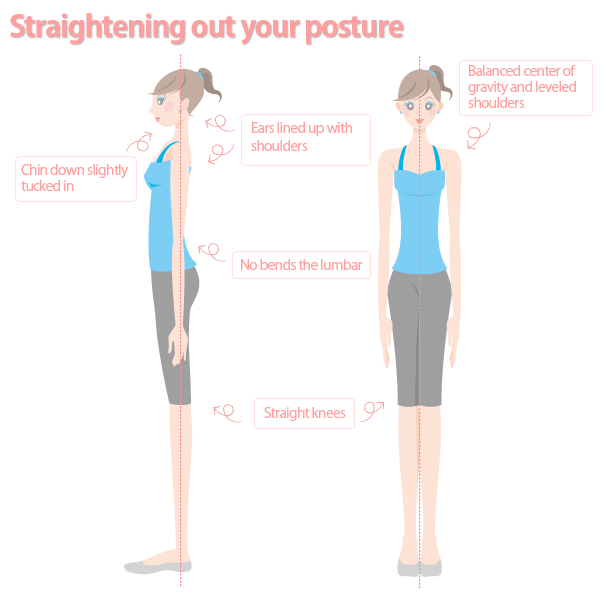
Exercise: Pick a color . . . any color . . . every time you see this color, shift your attention towards your posture. Are you sitting up straight? Are you ears lined up with your shoulders?

____________________________________________________

Every time you become aware of having better posture, you are taking important steps towards a much healthier future for your muscles, ligaments and bones!

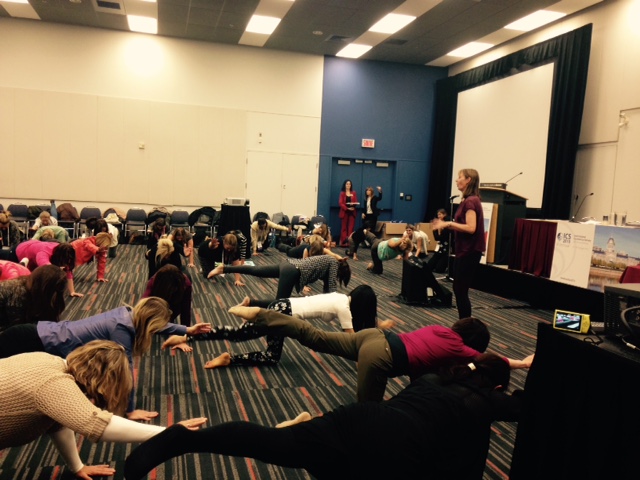
ICS 2015, Montreal – International Continence Society

ICS 2015 - Cora

ICS, International Continence Society, is a registered charity with a global health focus with strives to improve the quality of life for people affected by urinary, bowel and pelvic floor disorders by advancing basic and clinical science through education, research and advocacy.

ICS 2015 cora with group

Cora Huitt, PT, DPT, BCB-PMD, attended ICS’s 2015 Annual Conference in Montreal, Canada.  This yearly conference hosts some the experts from around the country on female sexual health.

Kari Bo, one of the most eminent researchers in the world, encouraging women to strengthen their pelvic floor muscle to prevent and eliminate incontinence. Fellow physical therapists, scientists, and physicians from around the world.

ICS 2015 offered over 130 sessions, which included lectures, roundtables and scientific discussions.  Recent research by Morin M., a Canadian physical therapist, in a randomized control study verifies multimodal physical therapy modalities and procedures are very effective in reducing pelvic pain.

This therapy is offered at two locations of Women’s Health Physical Therapy and Men’s Pelvic Health, list locations please. Dr. Huitt is so pleased to have this knowledge to bring back for the women in Richmond and surrounding areas!ICS exercise

Every Woman Should Know . . .

“After I had my second child, I really had a lot of pain in my pelvic floor . . . and I wouldn’t really know how to describe what I was feeling because it was new to me. I didn’t really have the same kind of pain the first time that I had my child. So, I remember that after I delivered him . . . if I would carry his baby seat . . . I began to feel a lot of pressure and pain in my bottom and it actually caused some tearing. Then I had to go to my doctor and they had to do stitching in the office.”

“BUT – nobody told me how to support my muscles when I lift something after I had a baby. And, for whatever reason, it didn’t happen the first time but now the second time . . . and here I am having to take care of a toddler and lift up the seat of my newborn. It created so much pain and problems for my muscles . . . that I actually tore, even without the trauma of birth.”

“Sex was always painful after that and I really had to seek help to get my muscles to relax and open. Nowadays, no one is telling patients or telling women how to support their muscles after they have a baby . . . how to get your body to be more supportive in your lifting and in your daily activities. No one told me that after you have a baby, you need to make sure you are supporting your muscles before you lift your newborn or when you are putting them in the crib.”

“I THINK EVERY WOMAN NEEDS TO KNOW THAT”

“I think everybody needs to have a program, where they know what tools they can use after they have a baby to strengthen their bodies, to strengthen their pelvic floors that have been through trauma, even if you have had a C-Section.”

“I believe that we really lack the knowledge, particularly in this country, to know how to do that automatically. We need providers to tell us. We need people, experts, to train us in this area. I think that if we don’t, we see more and more problems as women have children, as women try to re-coop . . . even a year or two or three or four down the line . . . the same recurrent problems . . . either Incontinence or rectal pain or something of that nature. We really do need education on how to strengthen our bodies from the INSIDE OUT.”

Learn. Dream. Live. Run.

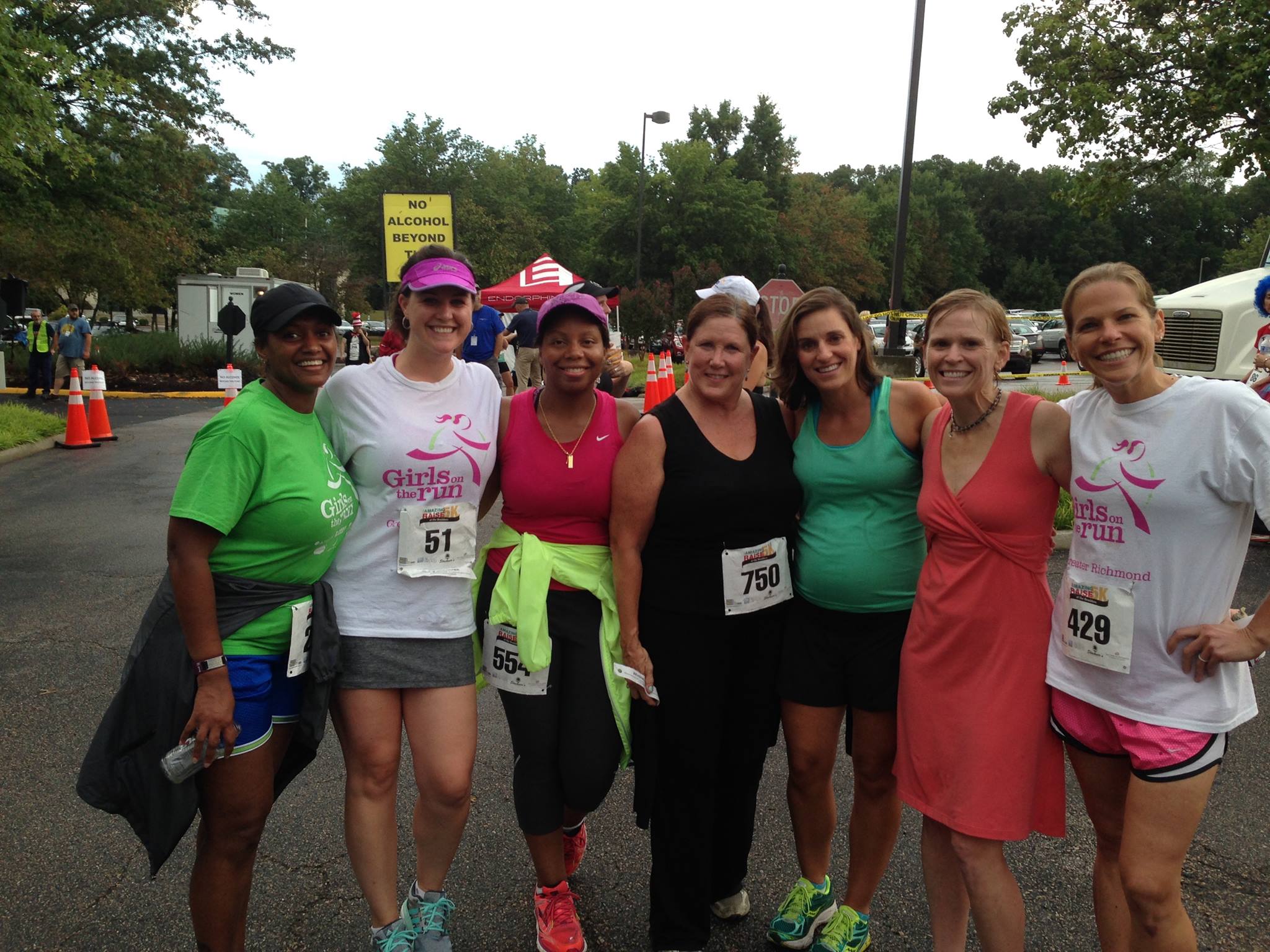
As a women’s health specialist, my practice is centered around nurturing, educating and healing women of all ages. As such, I am so very blessed to also be involved in some young women’s lives through an organization called Girls On the Run! 

cora girls on the run

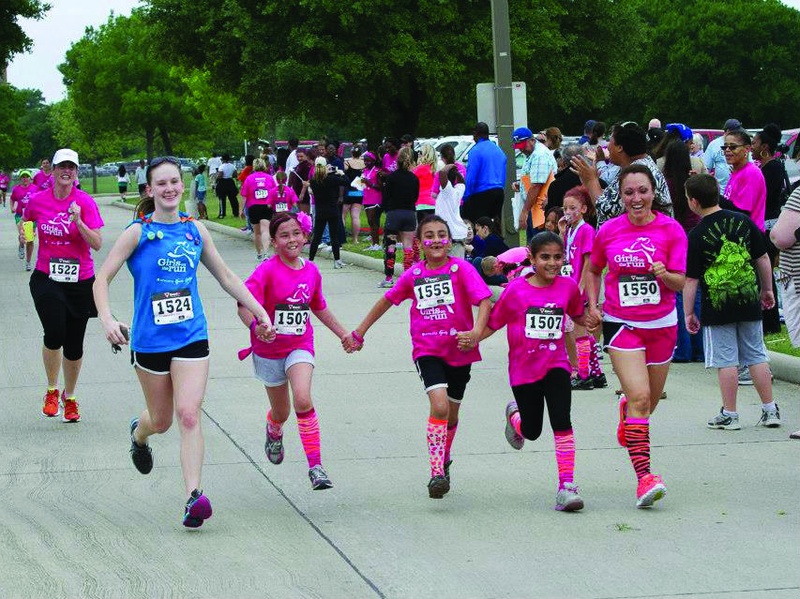
“Girls on the Run® is a 501(c)3 non-profit organization dedicated to creating a world where every girl knows and activates her limitless potential and is free to boldly pursue her dreams.

Meeting twice a week in small teams of 8-20 girls, we teach life skills through dynamic, interactive lessons and running games. The 24-lesson curriculum is taught by certified Girls on the Run coaches and includes three parts: understanding ourselves, valuing relationships and teamwork and understanding how we connect with and shape the world at large.

Running is used to inspire and motivate girls, encourage lifelong health and fitness, and build confidence through accomplishment. Important social, psychological, and physical skills and abilities are developed and reinforced throughout the program. At each season’s conclusion, the girls and their running buddies complete a 5k running event which gives them a tangible sense of achievement as well as a framework for setting and achieving life goals. The result—making the seemingly impossible, possible, and teaching girls that they can.”

This wonderful organization teaches girls to be joyful, healthy and confident using a fun, experience-based curriculum which creatively integrates running.

gotr1

Girls on the Run honors its core values to:

  • Recognize our power and responsibility to be intentional in our decision making
  • Embrace our differences and find strength in our connectedness
  • Express joy, optimism and gratitude through our words, thoughts and actions
  • Nurture our physical, emotional and spiritual health
  • Lead with an open heart and assume positive intent
  • Stand up for ourselves and others

gotr2

Not only does this organization empower girls with these core values, they are also taught about proper body mechanics and breathing! Proper breathing, especially when exercising, is so very important and such a wonderful thing to be teaching these girls at a young age!

I encourage all of my blog readers to get involved in your local Girls on the Run by coaching, volunteering, becoming a partner or donating! What a great opportunity to enrich the lives of these young women and maybe even learn a thing or two about yourself as well!

“Oh yeah, I can do those Kegels . . . cool, no problem”

Q: What was your awareness of your pelvic floor before having children?

“You know, I felt like I had a pretty good grasp of what’s in the pelvic floor and how my body worked. Going into it . . . I thought I knew what I was doing.”

Q: What was the biggest change after giving birth?

“It was really quite humbling to be wanting to do your normal activities and not being able to because you’re afraid you’re going to wet yourself.”

Q: Any stories you’re willing to share?

“Well, I think the worst one was . . . I was actually teaching preschool at the time . . . and so, you know, you’re up and down a lot, you’re juggling 3 year old’s and you have a growing belly  . . . anyway, I was on the floor at one point for circle time, having the kids do their song and dance. I kinda liked to be active so I was doing it myself . . . and all of a sudden I peed myself!”

bladder leakage

“That’s when I was like . . . this really is something I need to take care of because you can’t live your life that way.”

Q: What did you learn during your Postpartum Strong sessions?

“I really came in here thinking that I was the bomb . . . I knew exactly what I was doing. I said ‘Oh yeah, I can do those Kegels . . . cool, no problem’, and really I wasn’t doing them the way that I wanted to be doing them. I was doing them the way that I shouldn’t have been doing them.” 

Q: What advice do you have for new mothers? 

“When I had my son, I had postpartum depression, which is a whole other ball of wax, but I feel that the two are very similar because people know about postpartum depression. People know that it is something that you should be asking. They look out for one another. It’s a malady but it’s almost a more accepted malady these days.  Whereas for incontinence or other postpartum recovery thing you might have that is a physical issue . . . I don’t think people know about it as much.”

“For myself, having been through it both mentally and physically . . . I am always asking moms ‘How are you?’. I think it really matters and I think it makes a difference because unless someone asks you if you’re okay and how you are doing . . . you’re in the throws of new parenthood and it doesn’t matter if it’s baby #1 . . . baby #2, 3, 4, 5, 6, 7, 8 . . . you’re in the throws of it. You’re not taking that time out to assess your body. It’s important that your friends and family are asking you that to give you the OKAY to take a pause about baby and your new life. The whole element and the whole balance of life shifts . . . so, how are you managing that.” 

janie and son

Physical Therapy For Improved Functionality In Daily Living

While you are reading this – take a nice deep breath in. Now exhale. Feels great, right? Although proper breathing feels great, chances are that you hold your breath throughout the day without even realizing it, especially while concentrating, or performing actions such as lifting, reaching and pulling. Almost all individuals have a tendency to hold their breath, but it is much more common among women.  Even holding your breath while performing daily tasks can be detrimental.

Q: What happens when I hold my breath?

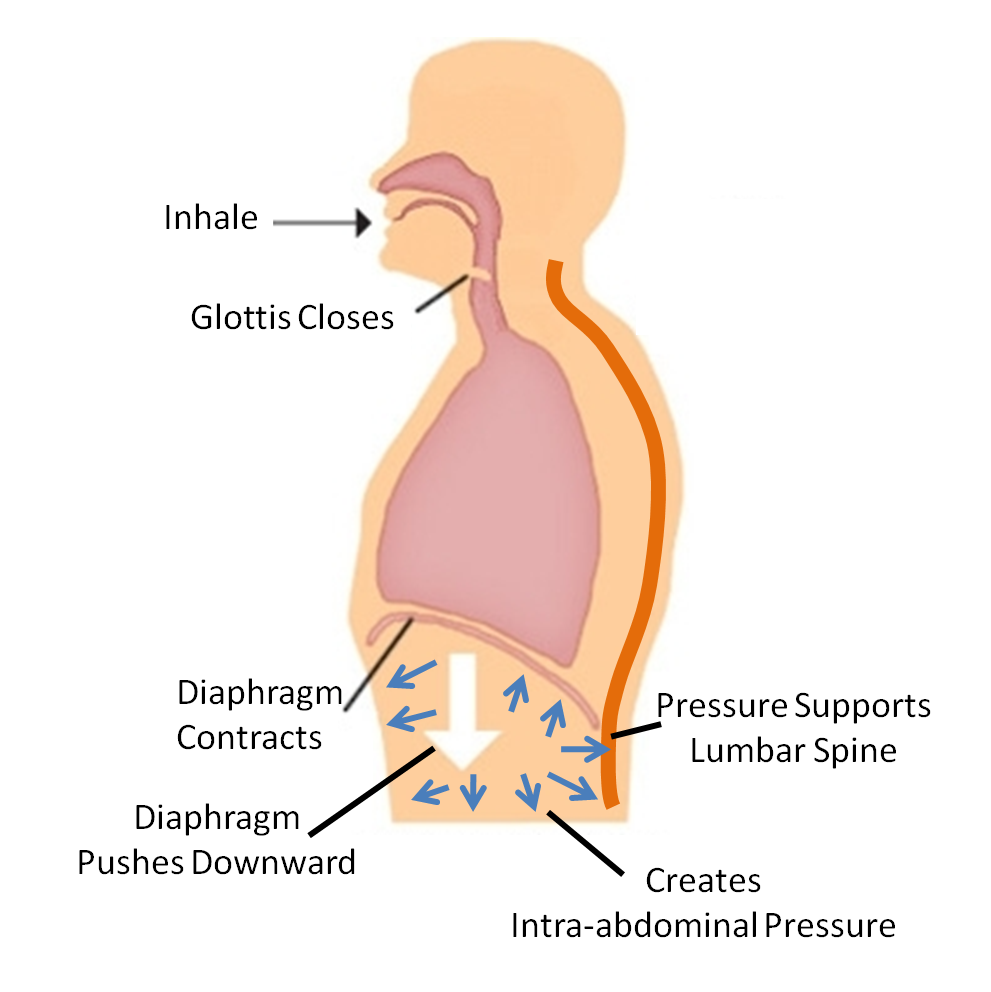
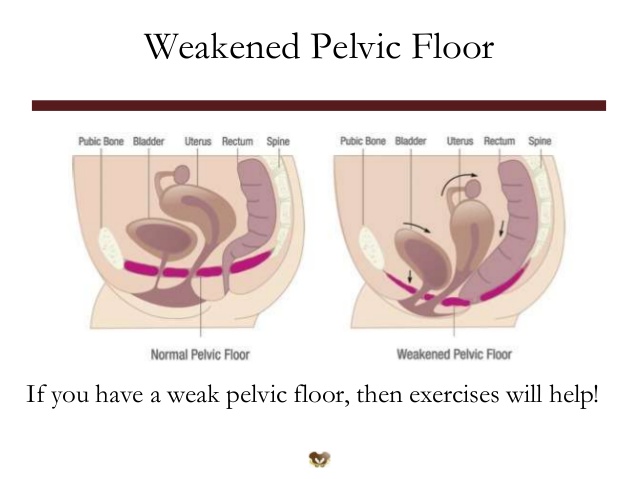
Holding your breath, especially when bearing down, causes intra-abdominal pressure and thus increases pressure on the bladder. The urethra is supported by a network of muscles and fascia of the pelvic floor. If this support is weakened, the urethra will move downwards at those times of increased intra-abdominal pressure, thus causing urinary frequency or urinary leakage.

Patient: “I was referred to this practice from my doctor because I was having urinary incontinence . . . urgency and frequency . . . and I was not receptive to surgery so he sent me here. Since I have been coming, the Kegel exercises have been helping. I do those pretty much any time I can think about it during the day . . . whether I am washing dishes, driving a car or while I am at work.” 

Q: What has had the biggest impact on your daily life?

“Breathing. I have realized that I hold my breath a lot, whether it’s when I’m putting my mascara on or my makeup . . . when I lean into the mirror, I am holding my breath. So, Cora has made me aware that I do that . . . so I am learning to breathe.”

intra abdominal pressure
This illustration shows how intra-abdominal pressure is formed when holding your breath. Notice how the diaphragm contracts and pushes downwards, creating downward pressure on your pelvic floor and surrounding organs such as your bladder.
Holding your breath, and holding your breath while bearing down, weakens the pelvic floor and increases the changes of developing urinary incontinence, prolapse and other pelvic floor dysfunctions.